Author: Elisabeth Bernard, Project Coordinator.
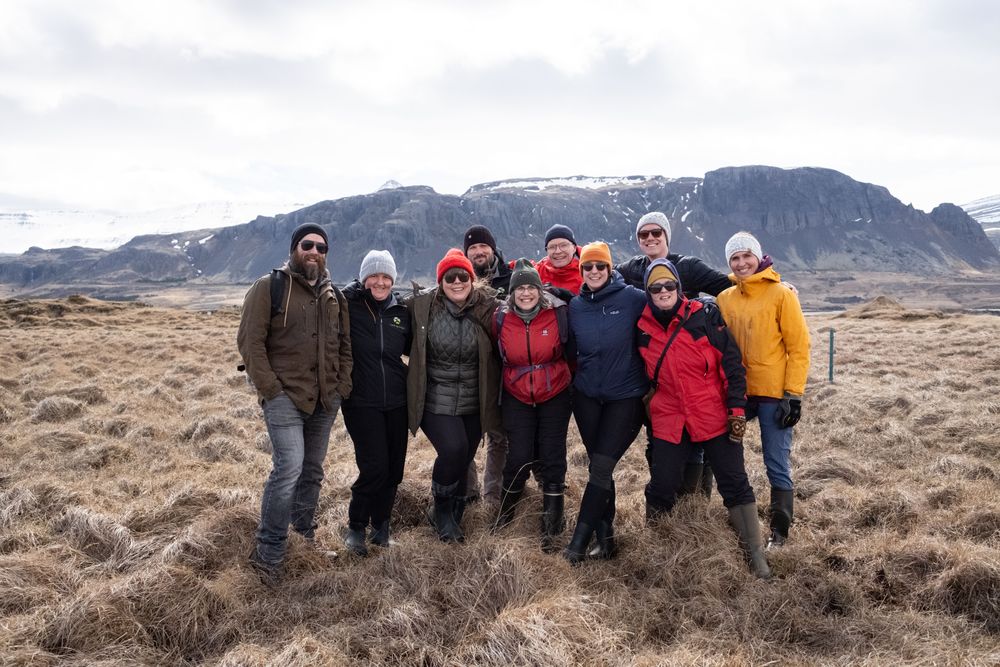
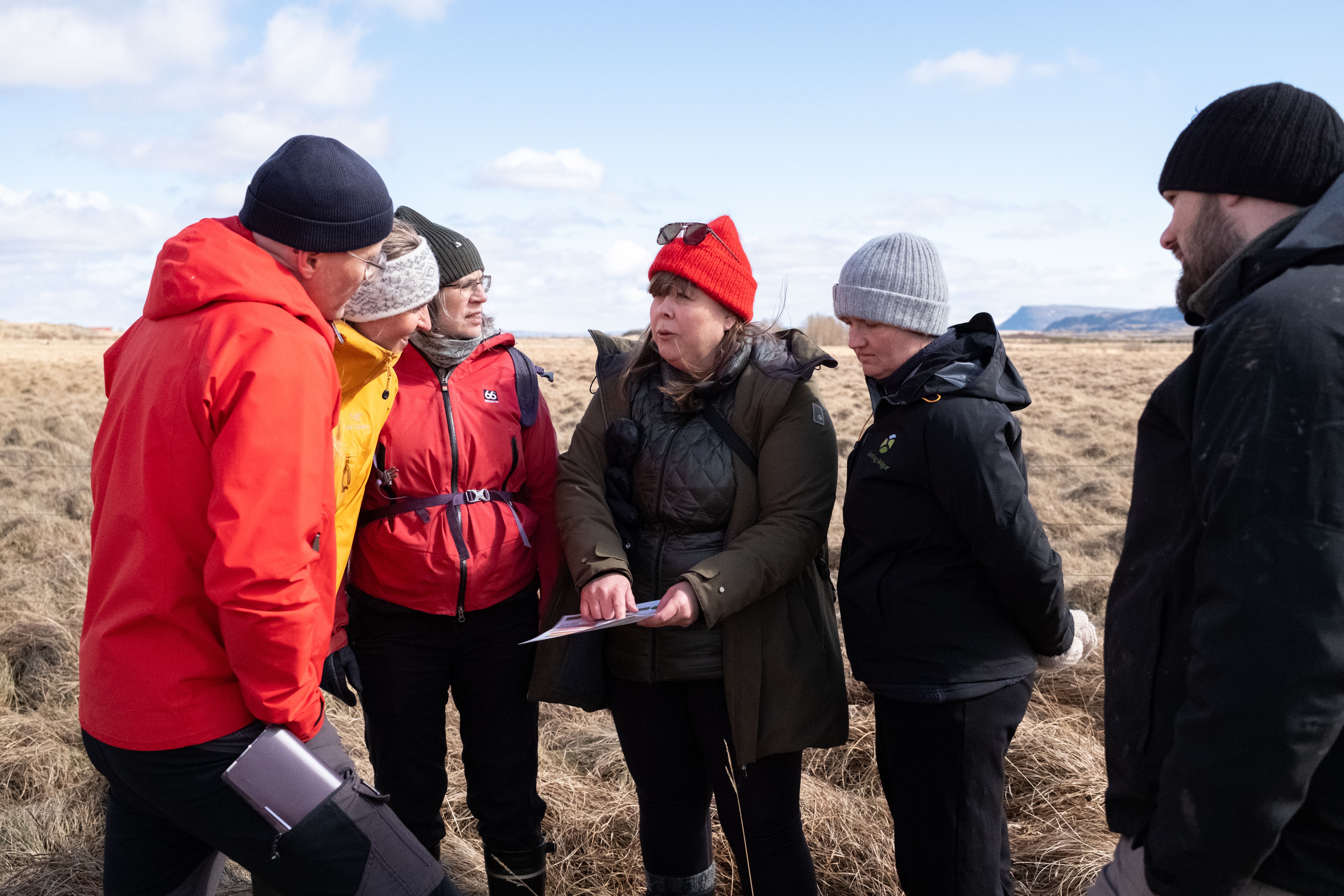
After many months of preparation, it is finally time for our team of specialists to visit the sites that have been assessed as ready for monitoring for Peatland LIFEline and assess their current ecological status before the actual restoration takes place in the coming years. Work package and task leaders involved in the monitoring across the consortium met in May in Hvanneyri to collectively assess the situation and plan the summer together.
Who is the monitoring team?
Our project consortium is a strong team of thirty experts in a very diverse range of fields (e.g.. plant biology, ornithology, geography, Geographical Information Systems (GIS), soil sciences, restoration ecology), all of whom have acquired many years of experience in research and monitoring.
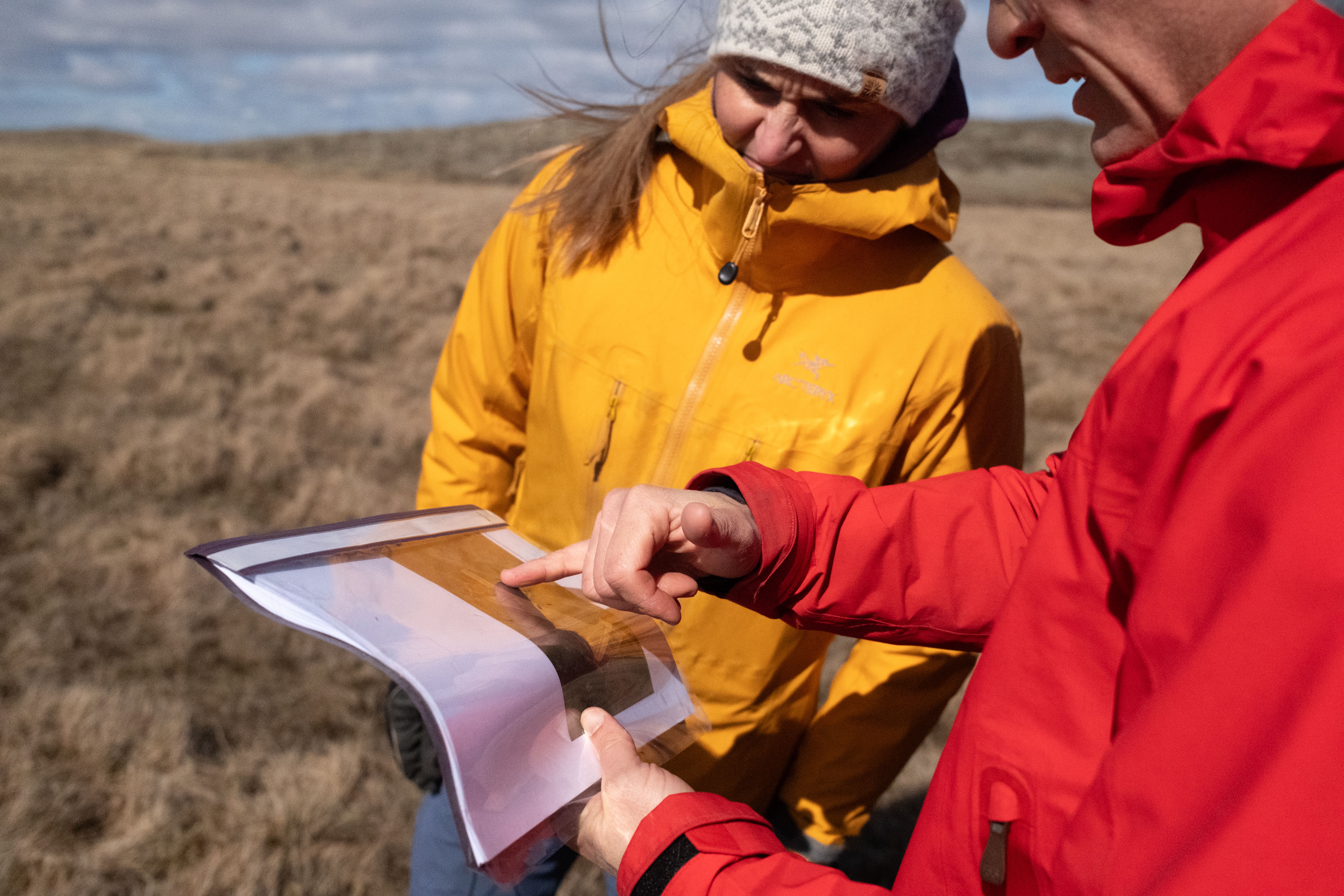
The Natural Science Institute of Iceland is leading the monitoring operation in the Peatland LIFEline project, with a focus on biotic monitoring, meaning plant biodiversity, habitats and birds. Land and Forest Iceland are in charge of the abiotic monitoring, focusing most notably on gas emissions, water levels, and soil composition and chemistry. The Marine Freshwater Research Institute participates in the biotic monitoring by focusing on freshwater biodiversity, while the Agricultural University of Iceland will be participating in almost all monitoring categories, especially in the West of Iceland.
Why are we monitoring?
Gathering baseline data is crucial to understanding the impact of restoration on degraded areas. It enables us to understand the current ecological status of an area and the natural processes at play resulting from the drainage of land, as well as helping us assess the overall positive impact that the restoration will have on the local ecosystems and wildlife.
Peatland LIFEline aims at restoring 1390 hectares of degraded volcanic peatlands in Iceland and, in line with the objectives of the EU Birds and Habitats Directive and the LIFE Programme, focuses on three keys bird species and one fish species which are expected to benefit from the restoration, thus addressing the challenges identified related to their protection and conservation across the European area.
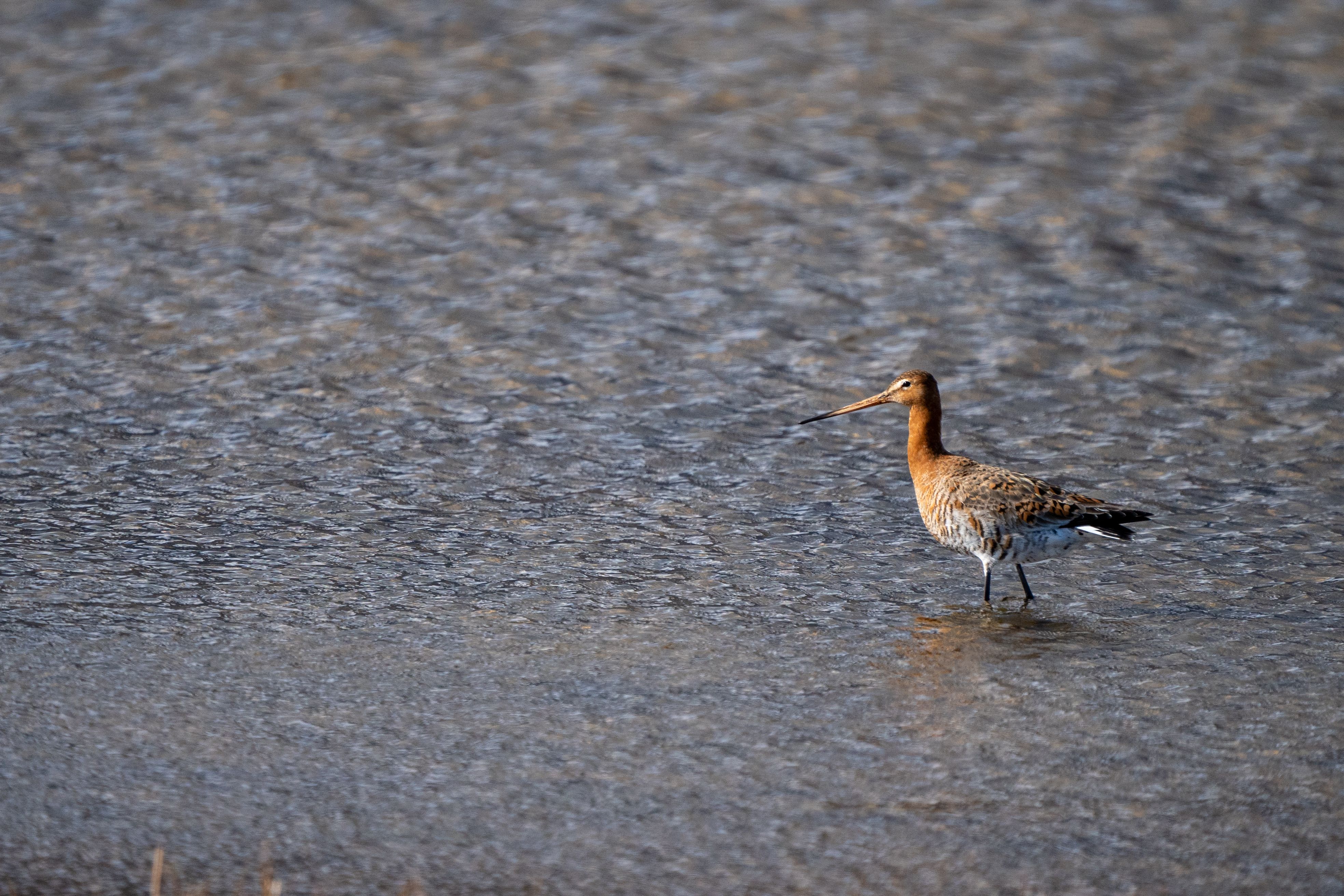
The Baltic dunlin (Calidris alpina) and the black-tailed godwit (Limosa limosa) are both listed in the Near Threatened category of the IUCN Red List, while the Redshank (Tringa tetanus) currently stands on the Vulnerable category at the EU level (EUNIS classification). The European eel (Anguilla anguilla) is categorized as Critically Endangered by the IUCN Red List, and benefits from a specific legal framework at the EU level since 2007 – The Eel Regulation (EU Council Regulation (EC) No 1100/2007) – to restore eel stocks and protect the species against illegal fishing and trade. Another bird species, the whimbrel (Numenius phaeopus) is expected to benefit from the restoration, although it is not threatened at the EU and IUCN levels.
The overarching habitat targeted in the project for restoration is the Icelandic Black sedge – brown moss fens, a habitat dominated by Carex species specific to Icelandic peatlands, which has drastically been reduced by the drainage of peatlands in Iceland since the 1950s. It has been determined as one of the habitats that need added protection by the Bern Convention on the Conservation of European Wildlife and Natural Habitats (Annex 1), in its revision in 2014. Iceland signed the Bern Convention in 1979 and ratified it in 1993. It has been reporting on its species and habitats since.
How does monitoring work in Peatland LIFEline?
The monitoring of Peatland LIFEline follows the strict and rigorous monitoring methods set by the European Commission in its Birds and Habitats Directive. It is the first attempt to harmonize data collection methods, both between partners/institutions in Iceland, and with the EU itself. A set of indicators has been determined for, e.g. plant distribution, bird distribution and density, gas emission changes, water quality, which will later be reported to the European Commission at the end of the project. This will help feed the EU databases for assessing the implementation of the Birds and Habitats Directive and obtaining a better picture of the biodiversity present in these types of ecosystems and obtain data on regional bird migration.
Before the restoration starts, a baseline data set is collected, adding to already known historical data. This lays the foundation for assessing later changes after the restoration. The baseline data for all monitoring criteria must therefore be collected this summer, which is why all of the fieldwork teams are now visiting the sites all over the country, although we have not yet restored them.
To be able to assess the status of this baseline, we need to assess if the current ecological status of our sites is normal or degraded. This is why we have, in addition to our measurement points directly on our sites, so-called “reference sites”, that present pristine or near-pristine conditions for comparison. They will be preferably as close to the restoration sites as possible.
After the restoration, the monitoring criteria are assessed, at various timescales. Vegetation monitoring does not require constant data collection, which means that the vegetation team will be visiting the restored sites only every other year, as vegetation takes time to change.
Bird monitoring, however, requires time-consuming monitoring in the spring, summer and autumn, to count individuals for each species and determine species distribution and density. This is why our bird experts start the bird counting as soon as the birds arrive in spring.
Abiotic monitoring, such as gas fluxes measurements and water level, requires constant monitoring with heavy monitoring instruments that need to be installed on site and are visited by the experts every two weeks.
In parallel, an analytical tool to assess the health of restored peatlands will be developed by the consortium to assess the effectiveness of the restoration in the long-term and determine successful methods.
The monitoring team will therefore be collecting data every summer onwards until completion of the project in 2031, in order to get the most accurate picture of the impact of the restoration in the field. After many months indoors preparing, we now all look forward to visiting our sites “hands on” and start the actual work!