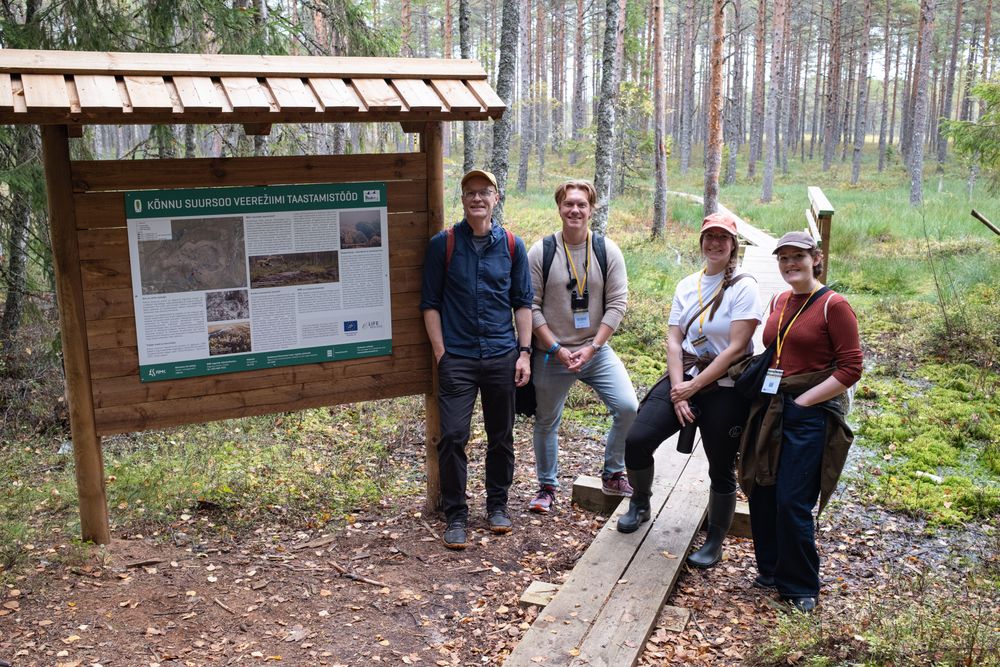
The Peatland LIFEline team had the pleasure of attending the annual conference for LIFE projects in the Nature & Biodiversity category within the Nordic and Baltic region, hosted this year by Estonia.
Representatives from the Agricultural University of Iceland, Land and Forest Iceland, the Natural Sciences Institute of Iceland, and the Royal Society for the Protection of Birds (RSPB) represented both our technical and financial teams during the week-long conference, which was held in Põhja-Kõrvemaa from 7 to 10 September. The conference brought together no fewer than 114 participants representing 33 LIFE projects from Sweden, Finland, Estonia, Lithuania, Latvia, Denmark, and Iceland.
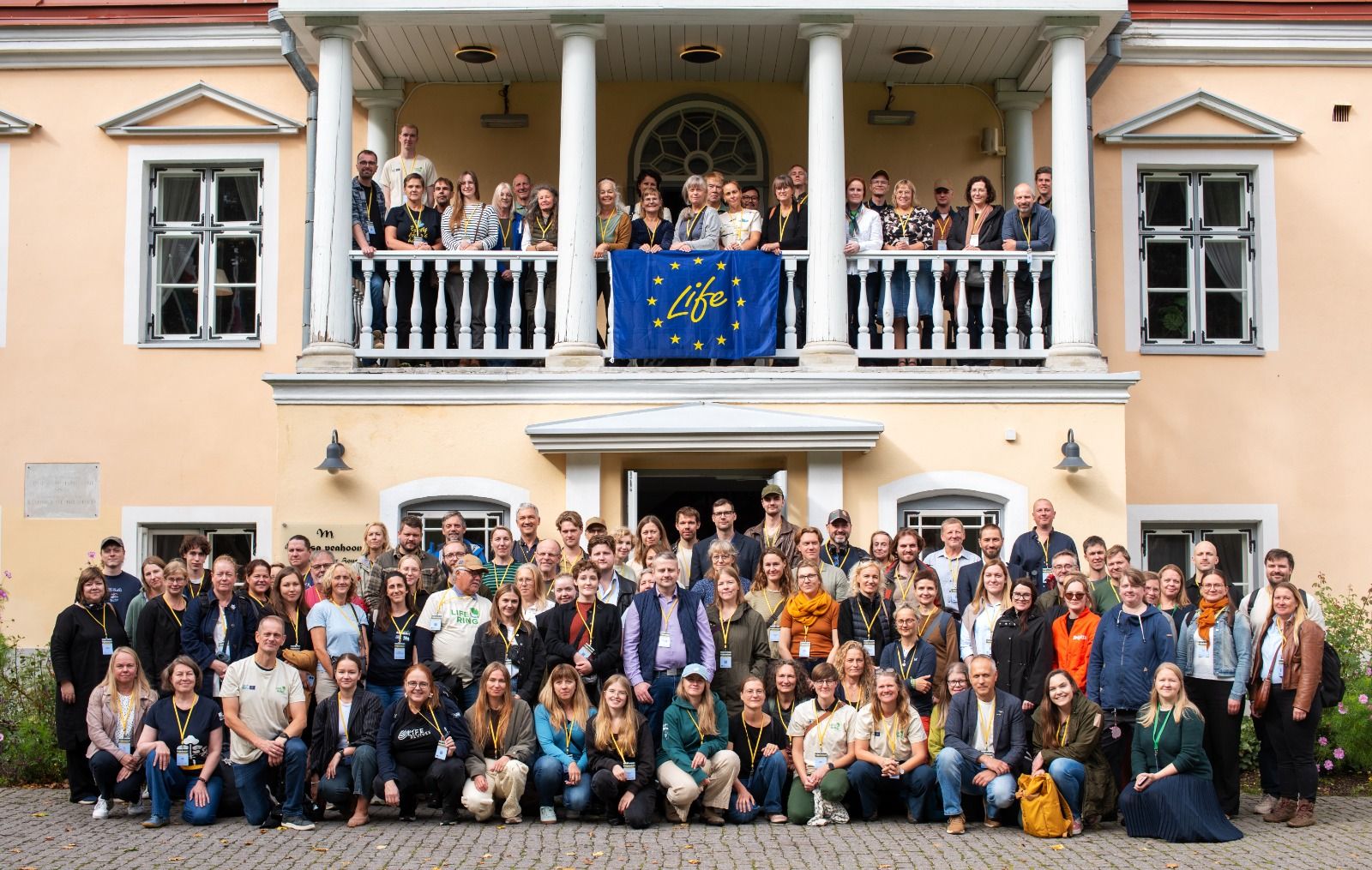
In addition to the Peatland LIFEline team, representatives of the LIFE IceWater project (the Ministry of the Environment, Energy and Climate, the Environment and Climate Agency, and Grundarfjörður municipality), from the Strategic Environmental strand of the LIFE Programme, were invited to attend the conference. The project is also working on restoration and local nature projects aimed at improving water quality in Iceland.
Nanna Vilborg Harðardóttir, project manager at Grundarfjörður municipality, represented the Icelandic delegation for both the LIFE IceWater and Peatland LIFEline projects during a panel session on democracy in nature restoration projects. She spoke about her experience of wetland restoration, tree planting and revegetation/land reclamation, as well as blue-green solutions being developed by Grundarfjörður municipality to improve local livelihoods and water quality.
Hydrological Restoration in Estonia
The value of the Nordic-Baltic LIFE Platform, beyond providing opportunities for regional networking, lies in its distinctive approach to knowledge sharing. Reflecting the importance of fieldwork and hands-on action within LIFE projects, participants were invited to take part in a variety of field excursions, outdoor workshops, and activities to learn from best-practice examples of restoration and monitoring, while presentations occupied only a small portion of the programme.
The Icelandic team had the opportunity to visit the LIFE Revives restoration sites, a mire and bog restoration project focusing on the hydrological restoration of catchment areas. This includes removing old dams and culverts to restore fish passages, particularly for salmonid species, recreating buffer zones and wetlands, and ultimately reducing the amount of dissolved solids entering rivers.
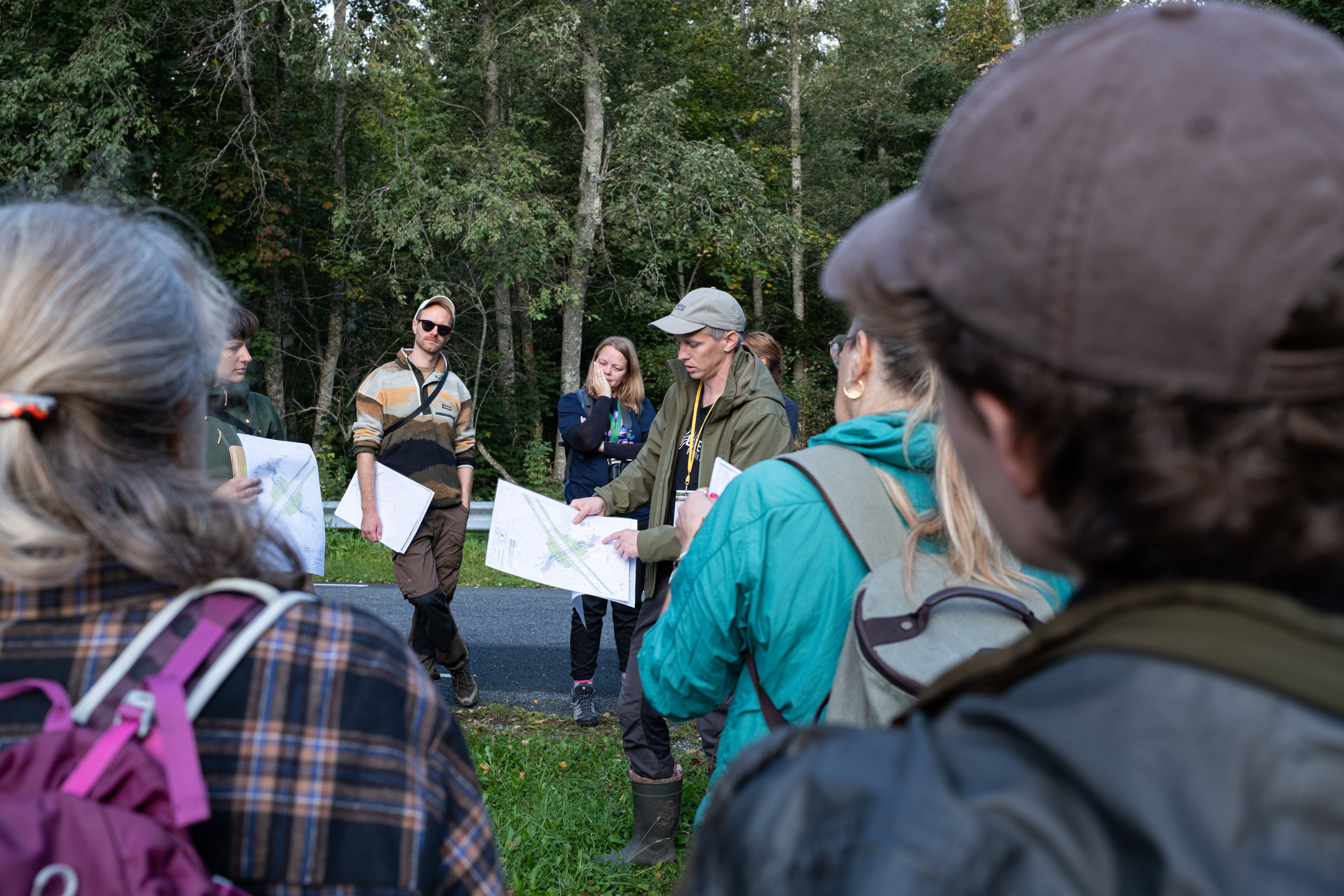
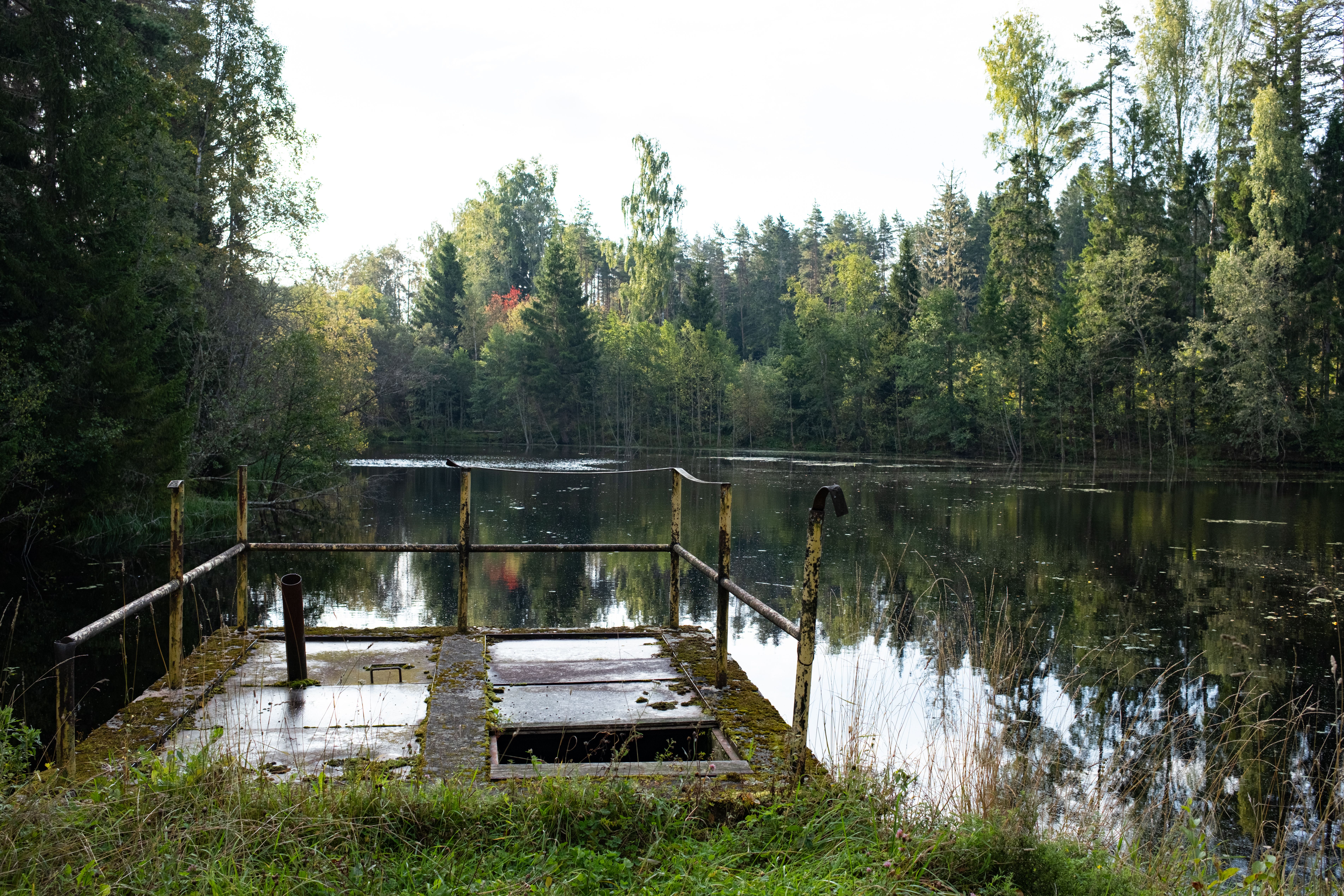
The key target species of the project is the freshwater pearl mussel (Margaritifera margaritifera), which is critically endangered in Estonia. The project aims to recreate and restore its habitat across the Baltic and Scandinavian region. It is estimated that only 25,000 individuals remain in Estonia, and they are now found only in a 21-kilometre-long section of one of the rivers that crosses Põhja-Kõrvemaa. Scientists are observing a drastic ageing of the population, as the mussels do not appear to be reproducing sufficiently to sustain the population in the coming years.
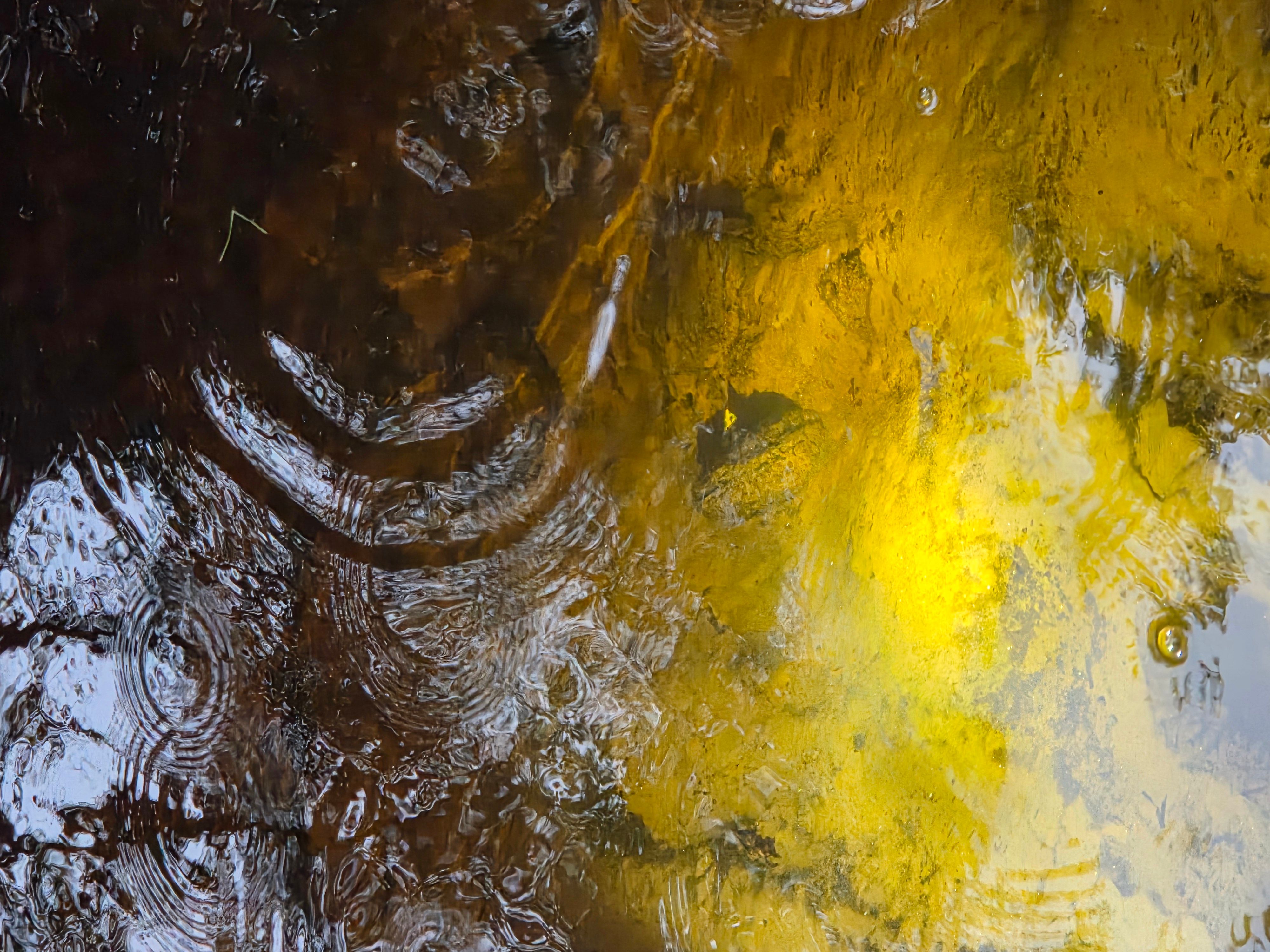
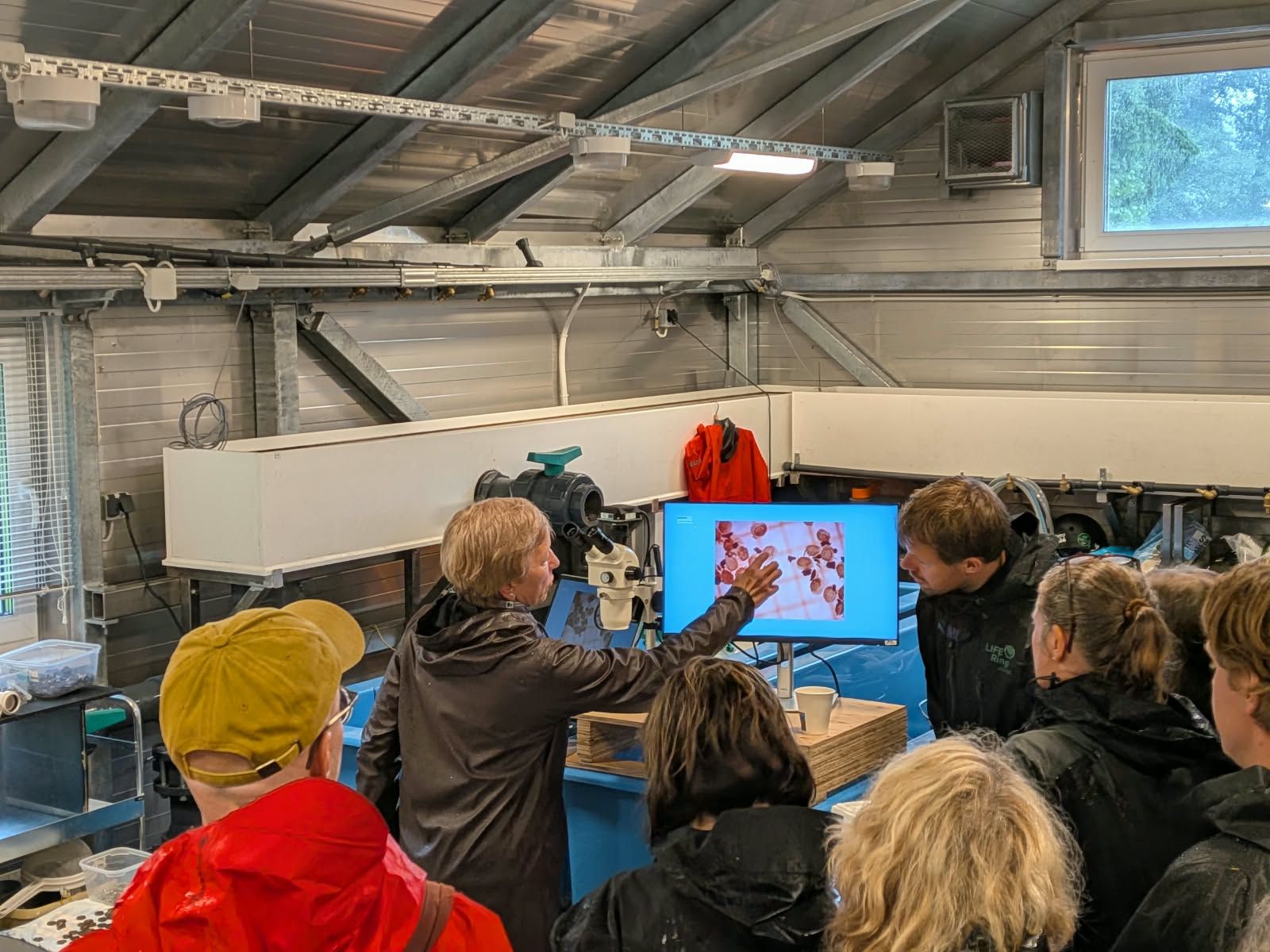
The lifecycle of the pearl mussel is very complex. Adult mussels release juveniles in the water after reproduction, who will attach themselves to the gills of passing trouts and salmons. They remain there until they are big enough to leave the fish and settle in the river substrate. It is still unclear why the population is not renewing itself, but fish passes obstacles, and the drainage of wetlands and subsequent pollution of the river (the brown color of the water is due to peat particules being released in the water) are most likely the main reasons. The LIFE Revives project intervenes by breeding the juvenile mussels in a special breeding station for a few years before releasing them in the river when they reach adulthood.
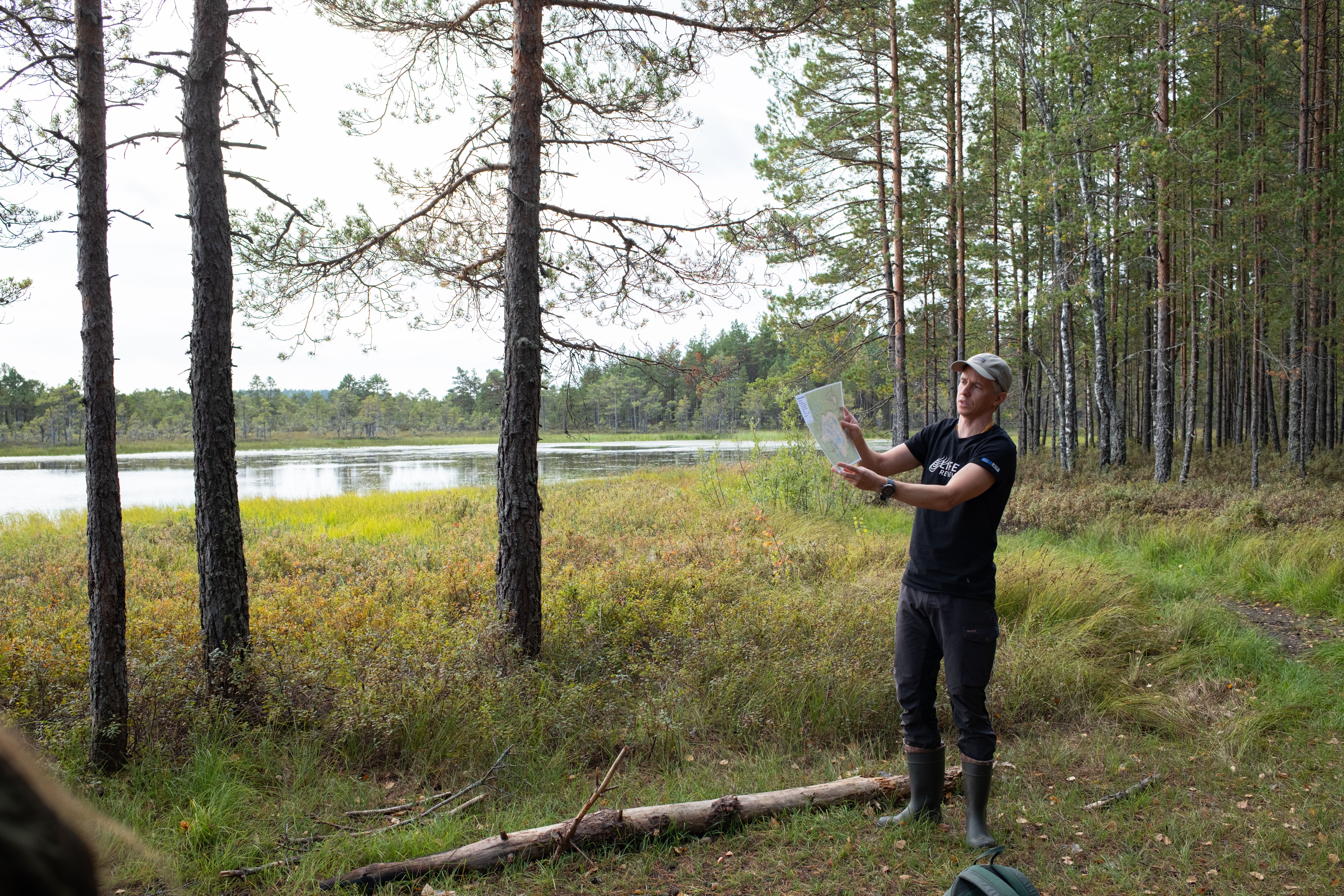
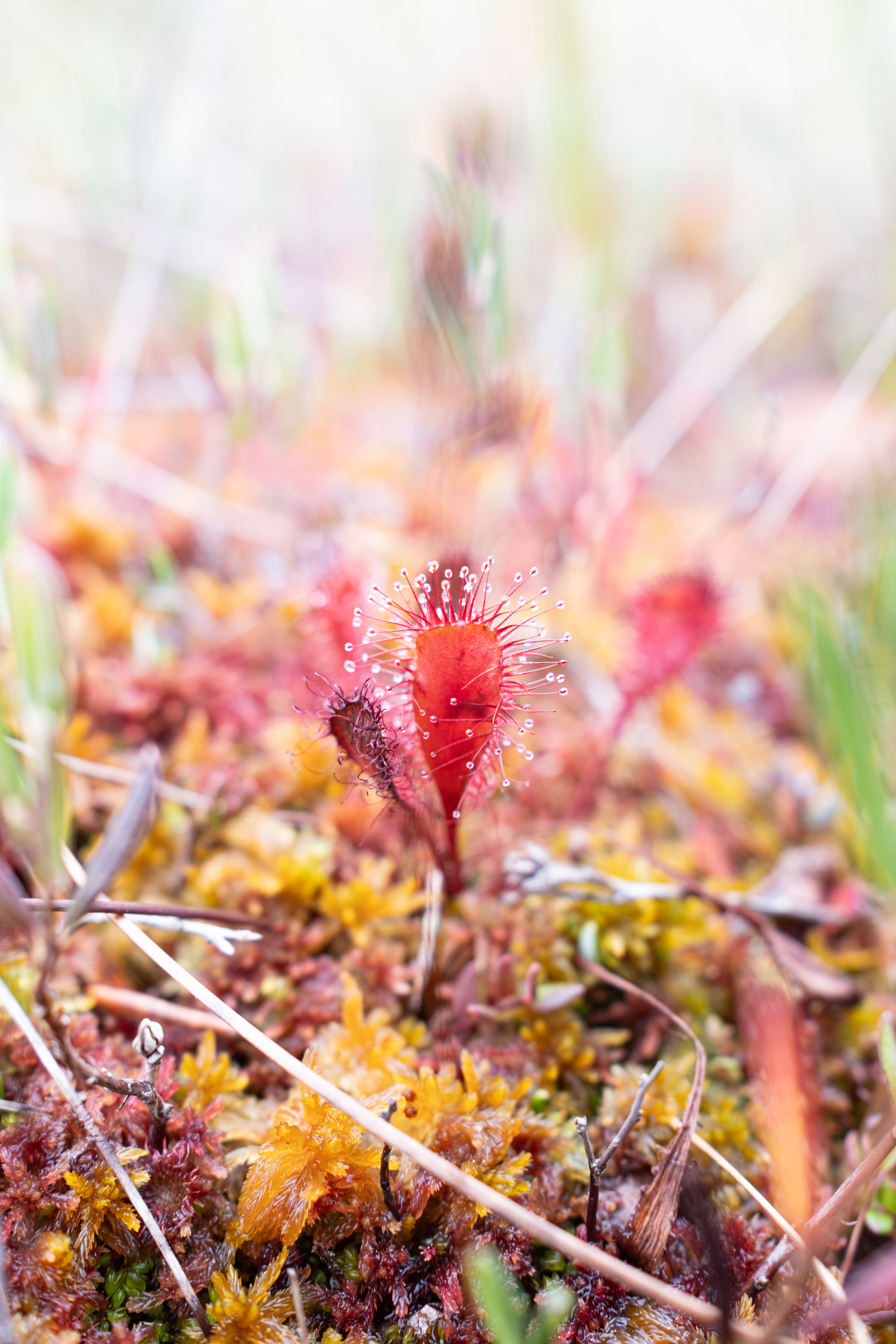
The Peatland LIFEline team also visited the Kõnnu Suursoo restoration area, a 2,500-hectare raised bog within the Põhja-Kõrvemaa Nature Reserve. Major ditches have recently been filled with local material, while public infrastructure, including a 3-kilometre-long wooden floating bog path and a 10-metre-high observation tower, has been built to improve public access. The bog formed over the last millennia and is an example of a relatively pristine bog ecosystem in Estonia, with its formation dating back to the last Ice Age.
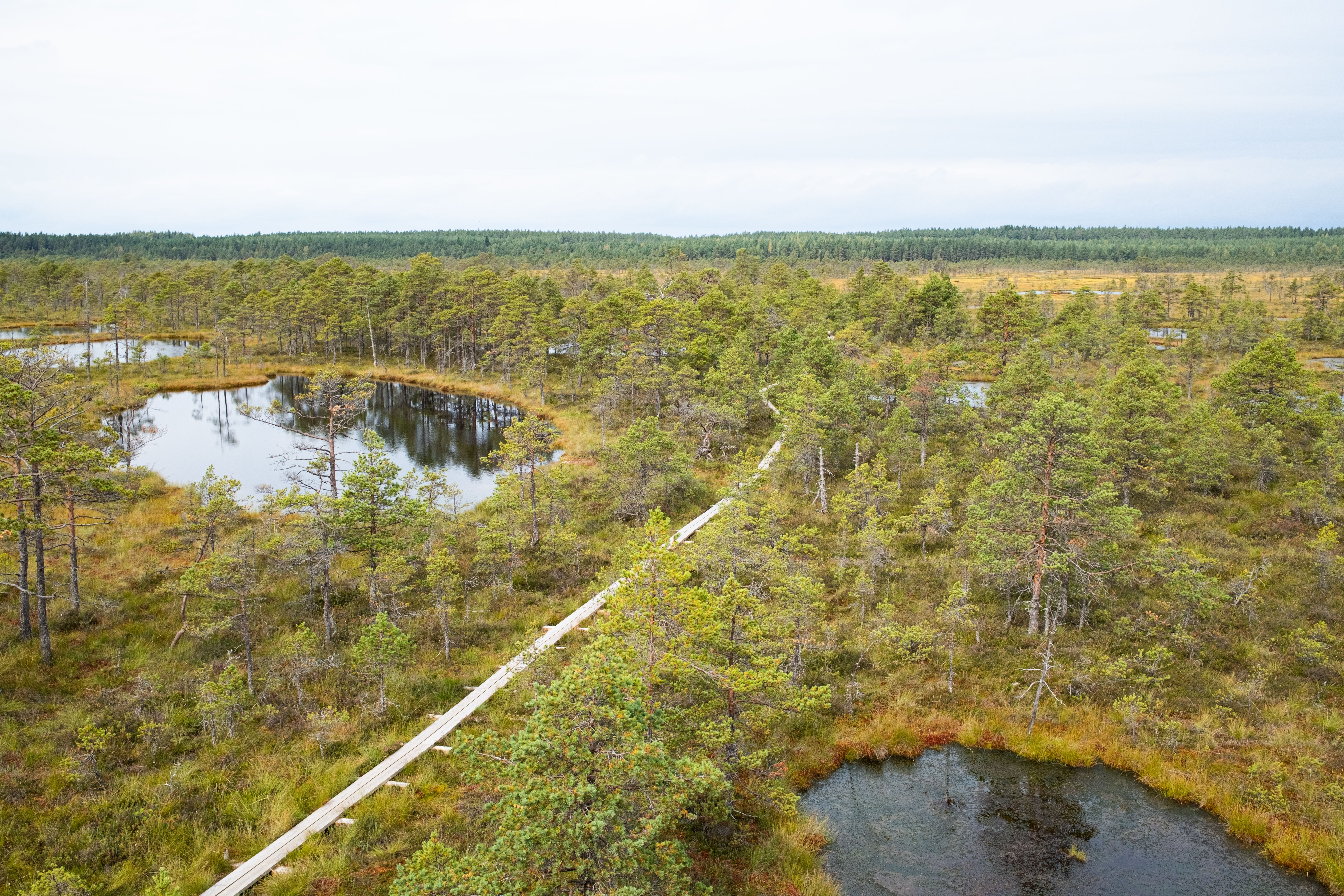
A Hands-on Conference
The outdoor workshops, held in smaller groups, gave the team the opportunity to learn more about practical nature-based solutions and their importance for people and the environment, citizen involvement in nature monitoring, interesting online tools, and the integration of farming into nature conservation practices by local farming communities.
The workshop on Nature-Based Solutions, in particular, focused on teaching participants how to build floating islands to improve water quality and support local biodiversity.
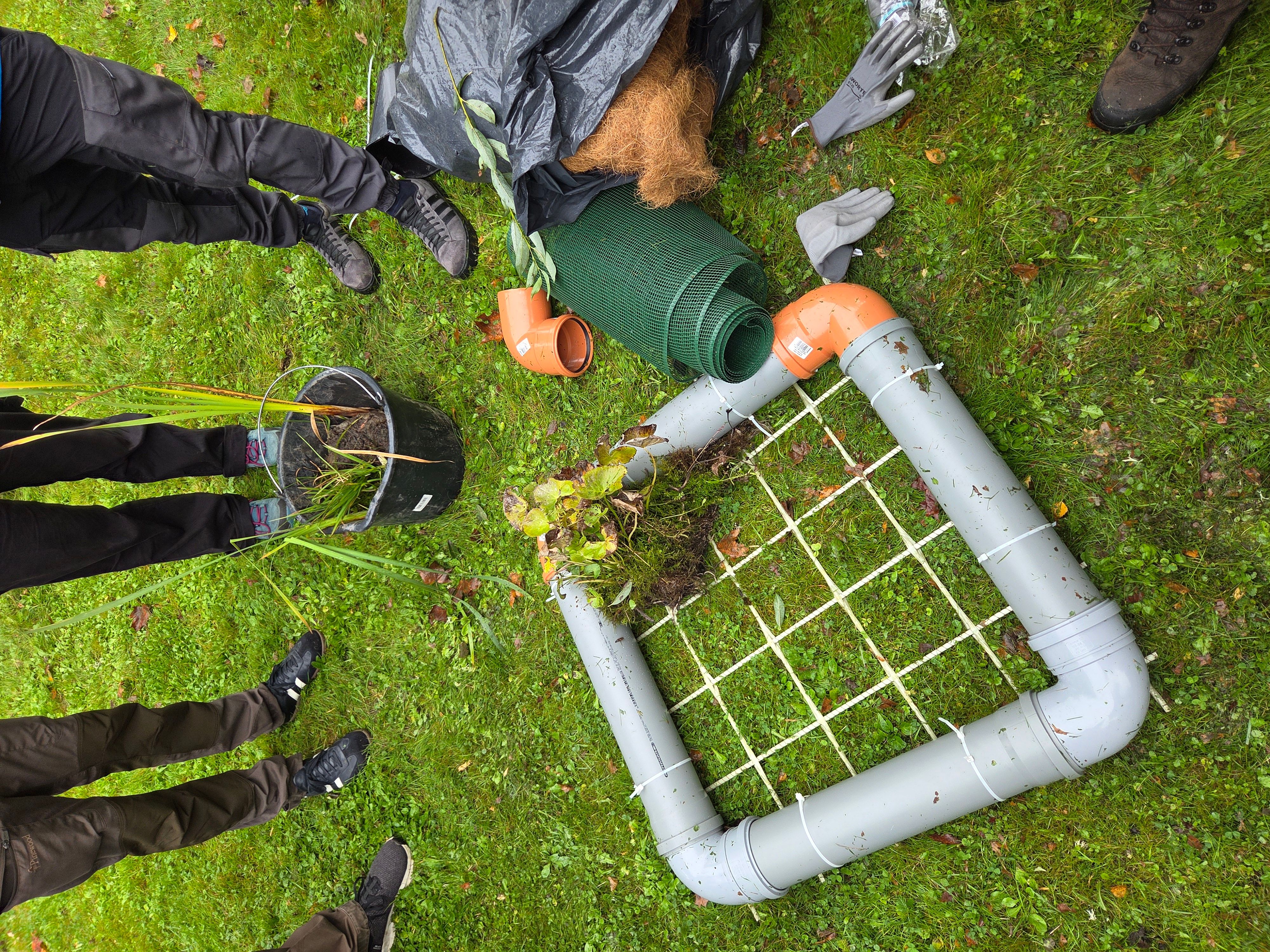
As Peatland LIFEline is the only project under the Nature & Biodiversity category of the LIFE Programme in Iceland, it was particularly valuable to meet and learn from our more experienced neighbours, who share similar interests and challenges, as well as similar ecosystems and species that require special care and attention.
We warmly thank the organising team for a brilliant edition and look forward to attending the next conference in Denmark!