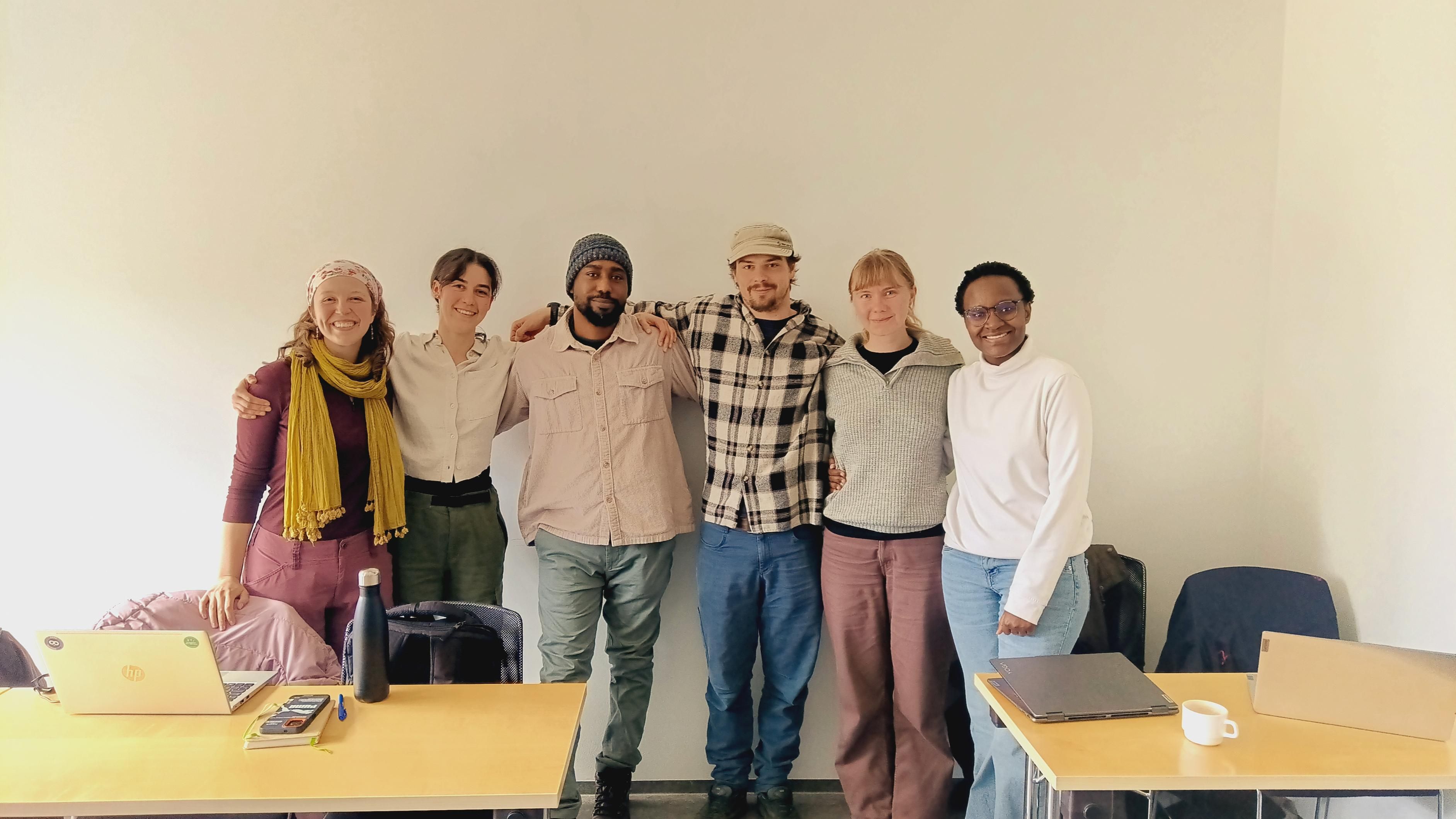
Through a close collaboration with the university, Peatland LIFEline has been used as teaching material for the students enrolled in the master’s program in Restoration Ecology, giving them the opportunity to engage directly – through practical examples – with real life restoration planning, implementation and monitoring.
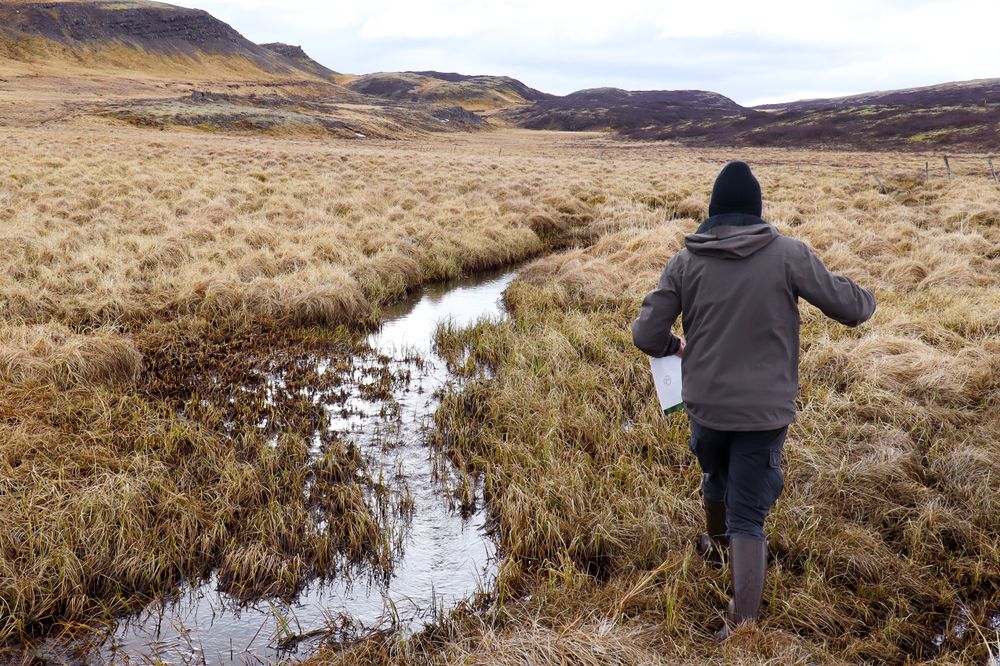
The students received a presentation by Elisabeth Bernard, project coordinator of Peatland LIFEline, introducing the objectives and target species of the project, as well as the scope and the restoration methodologies adopted. The session included a field visit to one of the restoration sites in Hvanneyri, where the practical aspects of peatland restoration planning was introduced.
During the field visit, they explored how suitable reference sites are selected, and discussed the importance of stakeholder engagement in restoration projects. The visit highlighted how restoration planning often involves balancing different interests and working with landowners and other stakeholders to develop practical solutions.
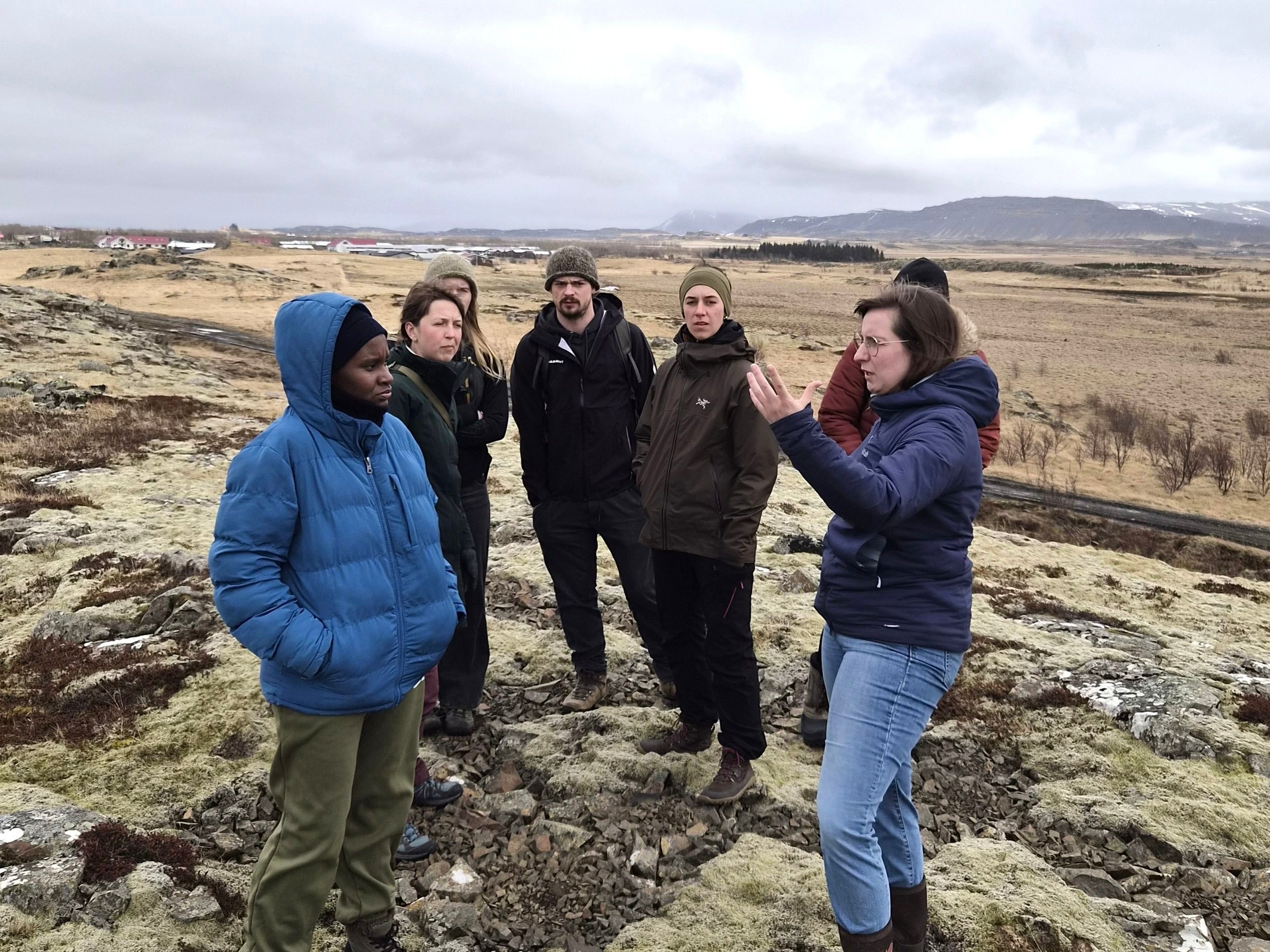
The project sites worked as "outdoor classrooms"
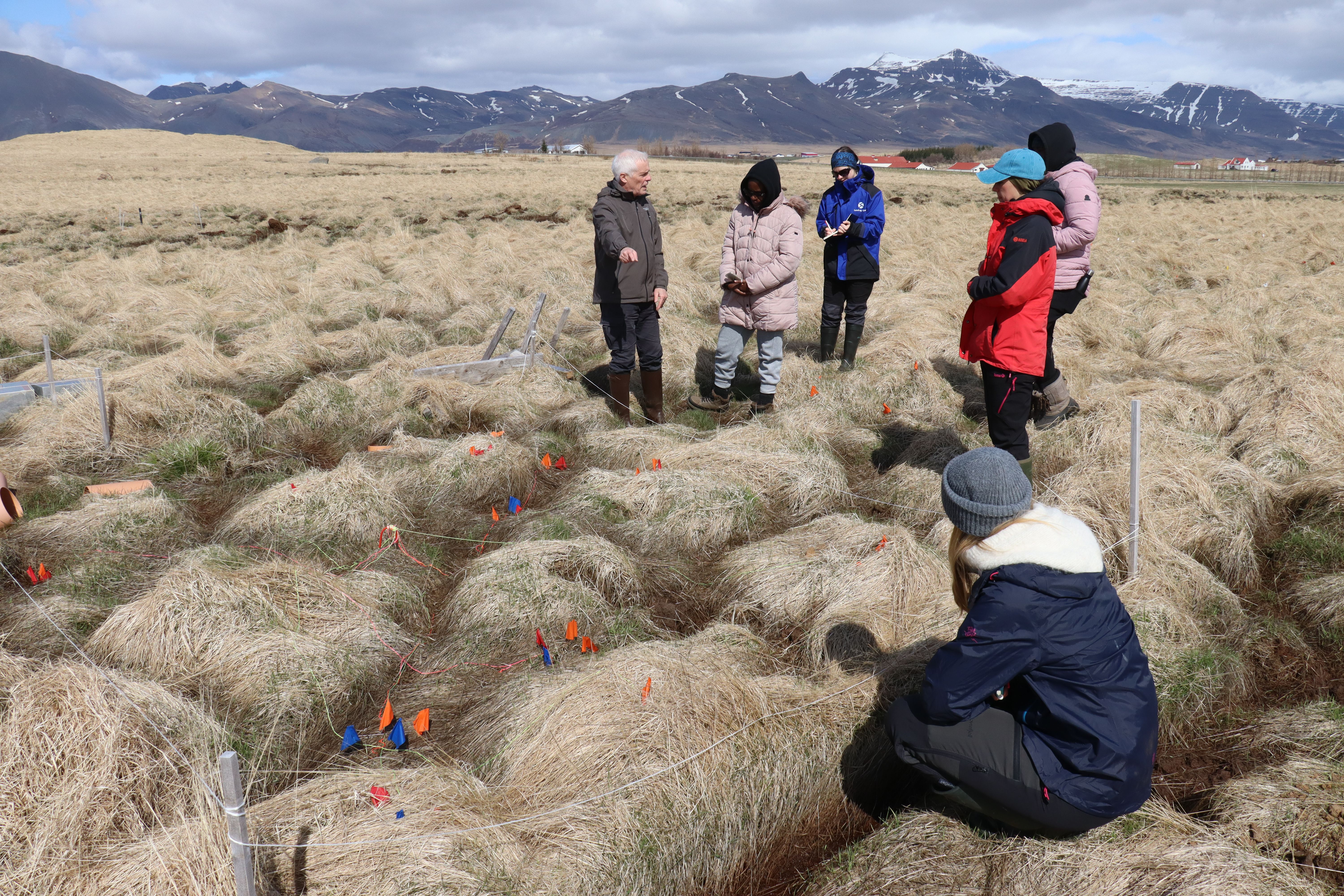
As part of the course Wetland Restoration, the students visited several Peatland LIFEline restoration sites during field excursions. The project sites worked as "outdoor classrooms" where the students could practice site examination and ecological assessment methods. They evaluated restoration potential, discussed site specific challenges and explored possible rewetting strategies, gaining experience with the practical application of sustainable ecological restoration principles.
“Having the Peatland LIFEline project so close by has been very valuable for my studies. I have been able to connect the theoretical background from my courses to a real restoration project. I have also been lucky to be able to connect my master’s research project to one of the restoration sites.” Mari Skjereng, master’s student in Restoration Ecology.
The students also got the opportunity to visit other important wetland projects in the West of Iceland which gave them additional tools, methods and concepts for wetland restoration. Visiting the REWET project and their permanent measuring station for gas fluxes as well as the wetland restoration sites in the Mýrar area, in the Snæfellsnes peninsula, increased their knowledge in abiotic monitoring as well as in freshwater biodiversity, which Peatland LIFEline is also addressing.
The students of the Restoration Ecology program also got to participate in a workshop reviewing the project's newly created monitoring guidelines. These guidelines are a key document in Peatland LIFEline which gathers all methods and conceptual tools across the consortium to build a strong and rigorous post-restoration assessment, in line with the guidelines established by the European Commission.
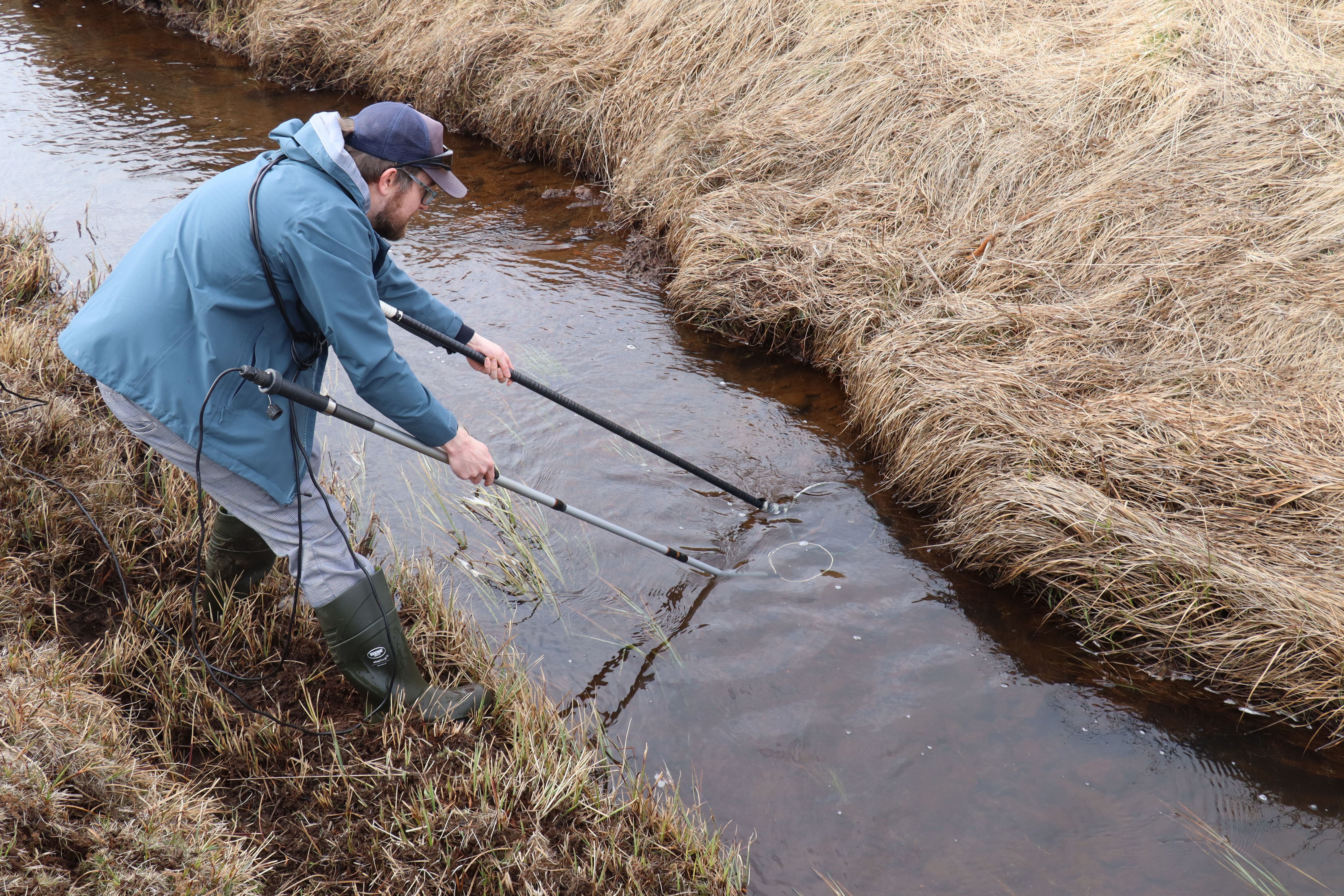
With their practical experience of the field and academic knowledge, they provided constructive feedback and discussed potential improvements to the monitoring framework, which was then sent back to the project’s scientists.
“I can't overstate the benefit of our program’s involvement in the Peatland LIFEline project. Through a mix of site visits and interactive plan review we’ve gained hands-on experience in the development of strategies and relationships necessary for long-range restoration.” Lauren Elizabeth Becker, master’s student in Restoration Ecology.
Important to increase young people's interest
One of the objectives of Peatland LIFEline is to encourage the production scientific data and additional research to fill in the current gaps in knowledge regarding lowland wetlands and their ecological dynamics in Iceland. This is why the project is fostering youth interest and actively seeking to participate in the education of a new generation of scientists and practitioners who will have had direct contact with actual restoration projects throughout their studies.
Not only will Peatland LIFEline continue to contribute to the education of the new generation, but it will also develop additional courses for the Vocational Training program for those who wish to learn more on the topic after graduating.