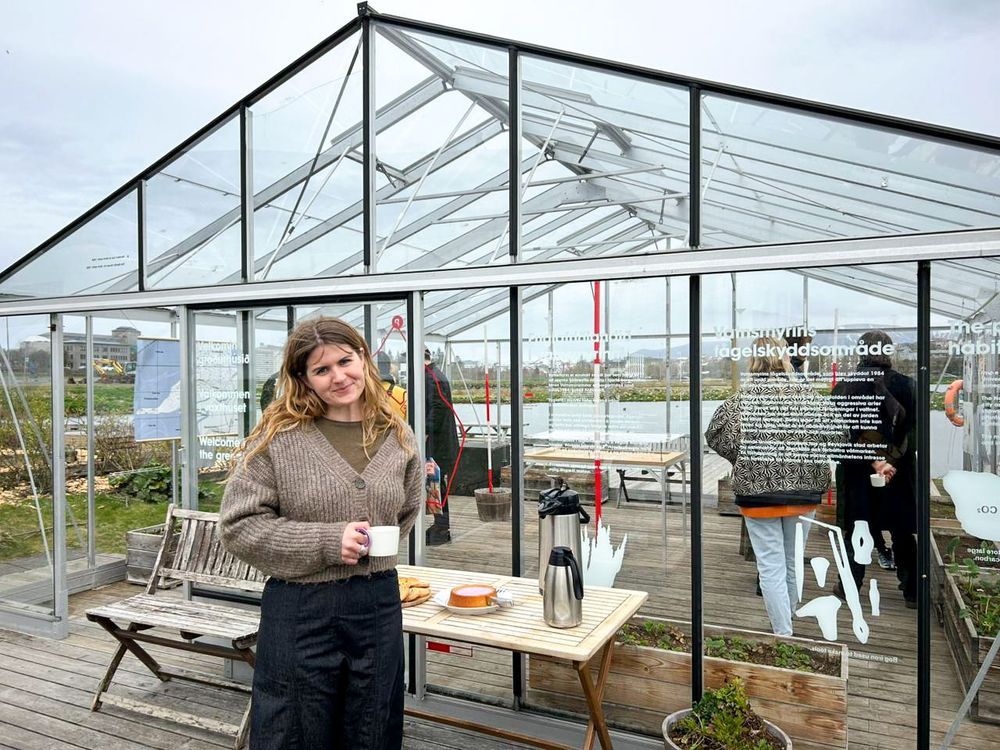
An exciting collaboration took place this winter and spring as master student Katla Taylor build her master project for the MA Design & New Environments at the Icelandic University of the Arts around the Andakíll bird sanctuary and its future access to the public.
Katla holds a bachelor in Graphic Design from the Royal Academy of the Arts of The Hague, for which she focused on Arctic flora biodiversity and the ongoing transformations at play in the area. She has now graduated from the Icelandic University of the Arts, and is based in Reykjavík.
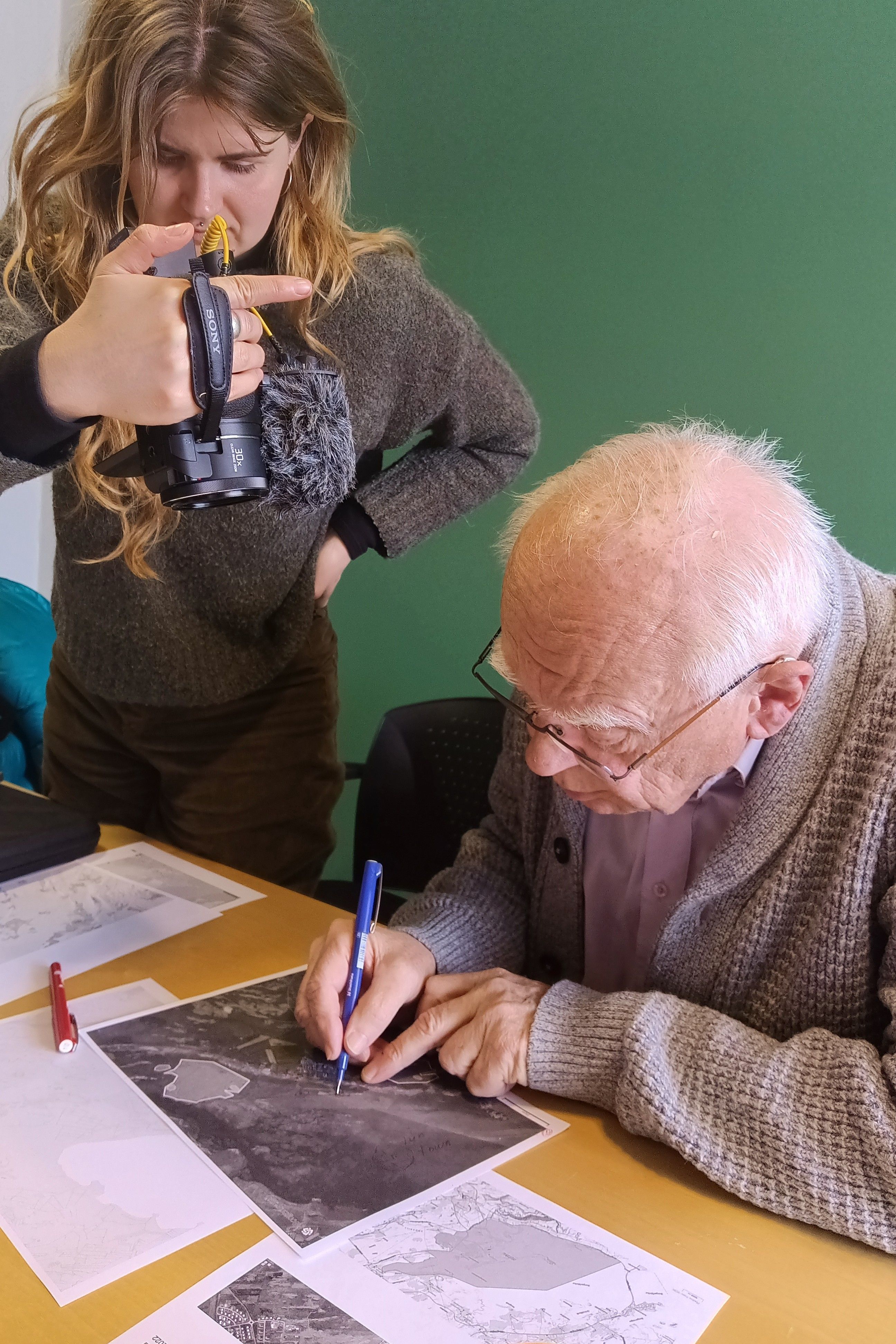
Through interviews with local habitants of Hvanneyri, researchers of the Agricultural University of Iceland (AUI), and experts from the Peatland LIFEline consortium, she explored how walking paths across the Andakill bird sanctuary could look like based on the present and past knowledge of the area, as well as the current regulations in place with the RAMSAR Convention regarding the nesting of endangered bird species. She most notably received continuous guidance and assistance from Ph.D. Ivan Juarez, lector in Landscape Architecture at AUI.
Viewpoints and Seasonal Trails
The final product of this exciting research, and the center piece of the exhibition, was a map of Hvanneyri and the Andakill bird sanctuary with an elevation map based on accurate GIS data. With a base map showing ditches in the area, she highlighted her proposition for new public walking trails in relation with the sites which willl be going through restoration under Peatland LIFEline. The trails include scenic viewpoints on the fjörd and seasonal trails which would be closed during the breeding and nesting season in the spring and summer (April 20th to July 20th).
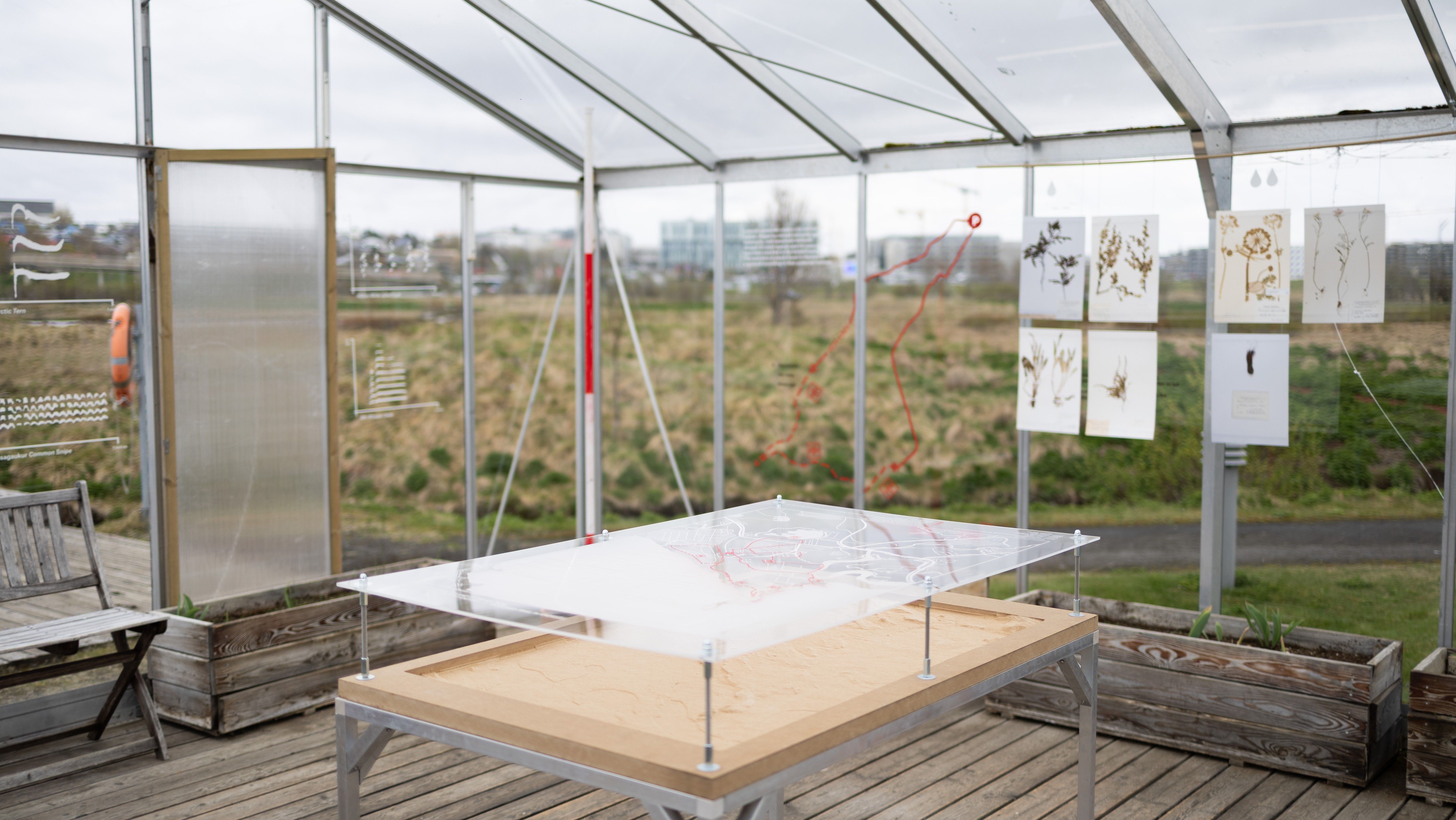
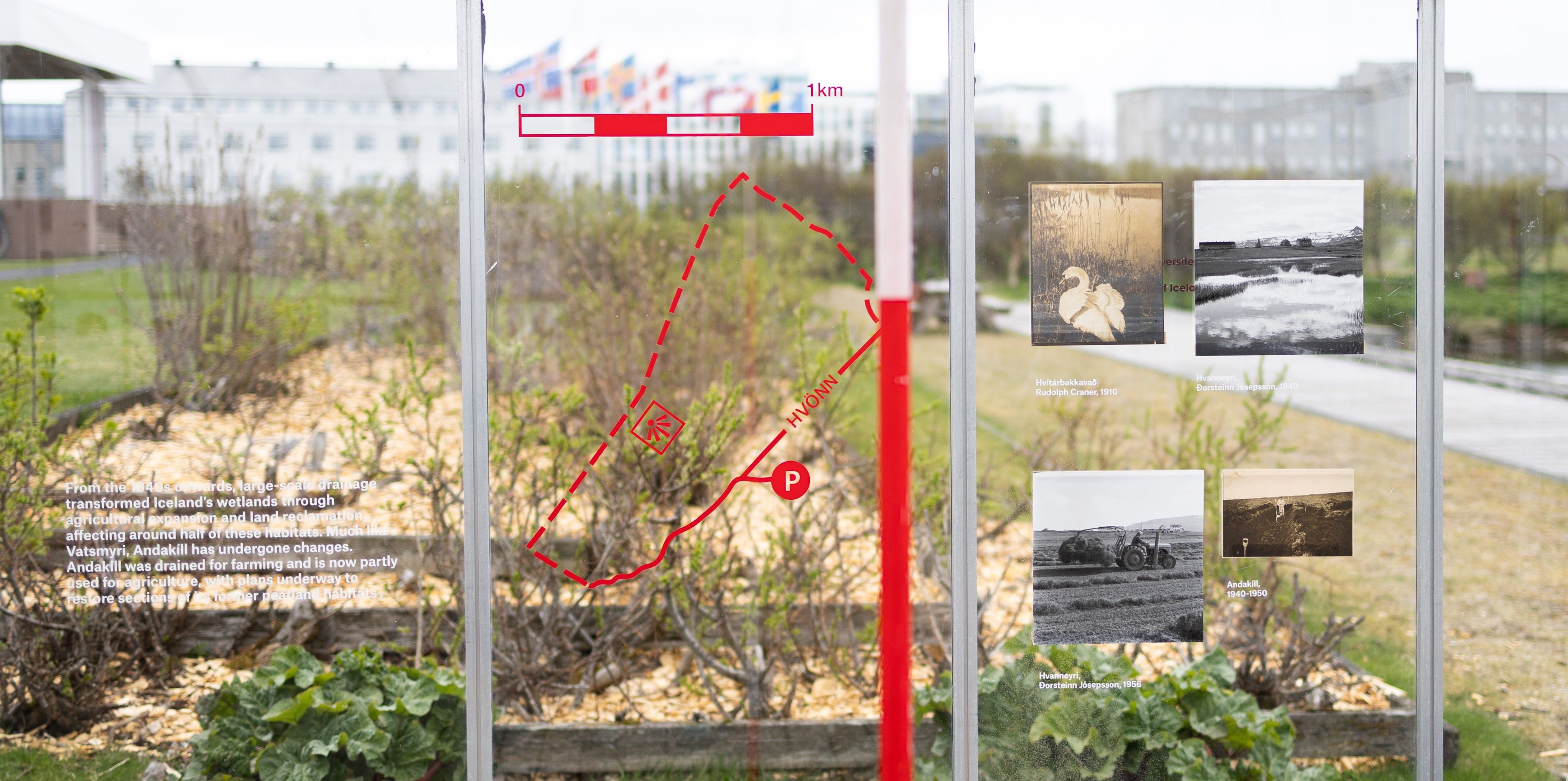
The exhibition additionally offered a reflexion on the cultural importance and predominance of wetlands, before extensive drainage operations were led in the area to create arable land and roads to ease the access to Hvanneyri, as well as on the flora and fauna found in wetland ecosystems, in cooperation with the Natural Sciences Institute of Iceland.
A Hub for Agricultural, Environmental and Life Sciences
The town of Hvanneyri holds its name for the presence of the plant angelica (Angelica archangelica) which thrives in wet areas. The town was historically surrounded by peatlands and flood meadows who were used to make hay and as pastures for livestock until the 1950s. It was, at that time, only accessible by boat from Borgarfjörður, which is why the old buildings face the sea. The website of the Nature Conservation Agency provides additional information on the local cultural and historical significance of wetlands for agriculture in Hvanneyri.
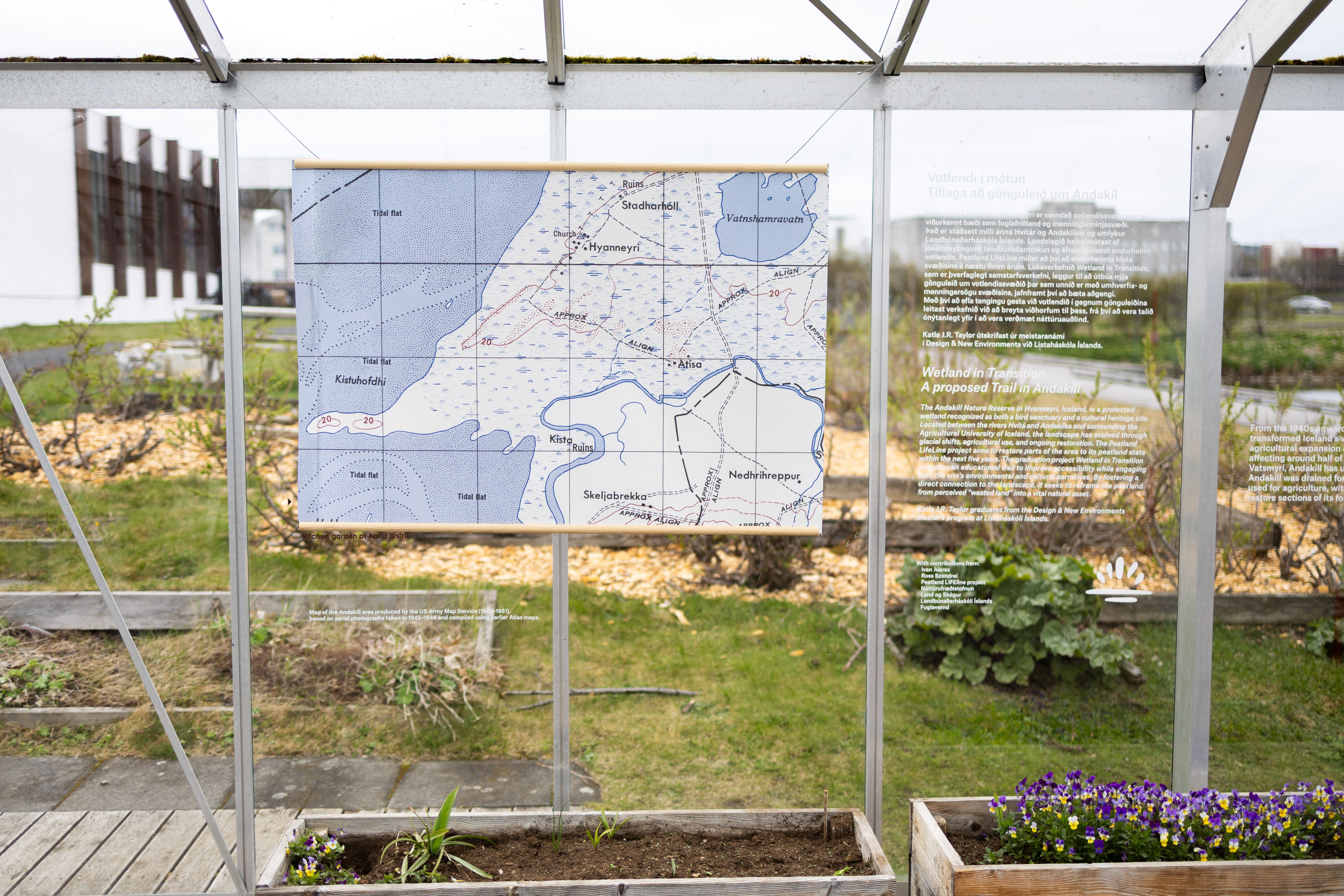
The village has developed itself throughout the 20th century as a hub for agricultural, environmental and life sciences in Iceland, as many important institutes are located there, such as the Farmers School (Bændaskólinn) and the Agricultural University of Iceland (Landbúnaðarháskóli Íslands), the Agricultural Museum (Landbúnaðarsafn Íslands), and the Icelandic Agricultural Advisory Center (RML), amongst others.
Important Bird Species in the Area
Last but not least, it is a bird reserve under the RAMSAR Convention framework, most notably as a breeding ground for the Greater white-fronted goose (Anser albifrons flavirostris) and is under the supervision of the Nature Conservation Agency of Iceland. Another important bird species observed in the area is the Redshank (Tringa totanus), which is one of the target species in Peatland LIFEline.
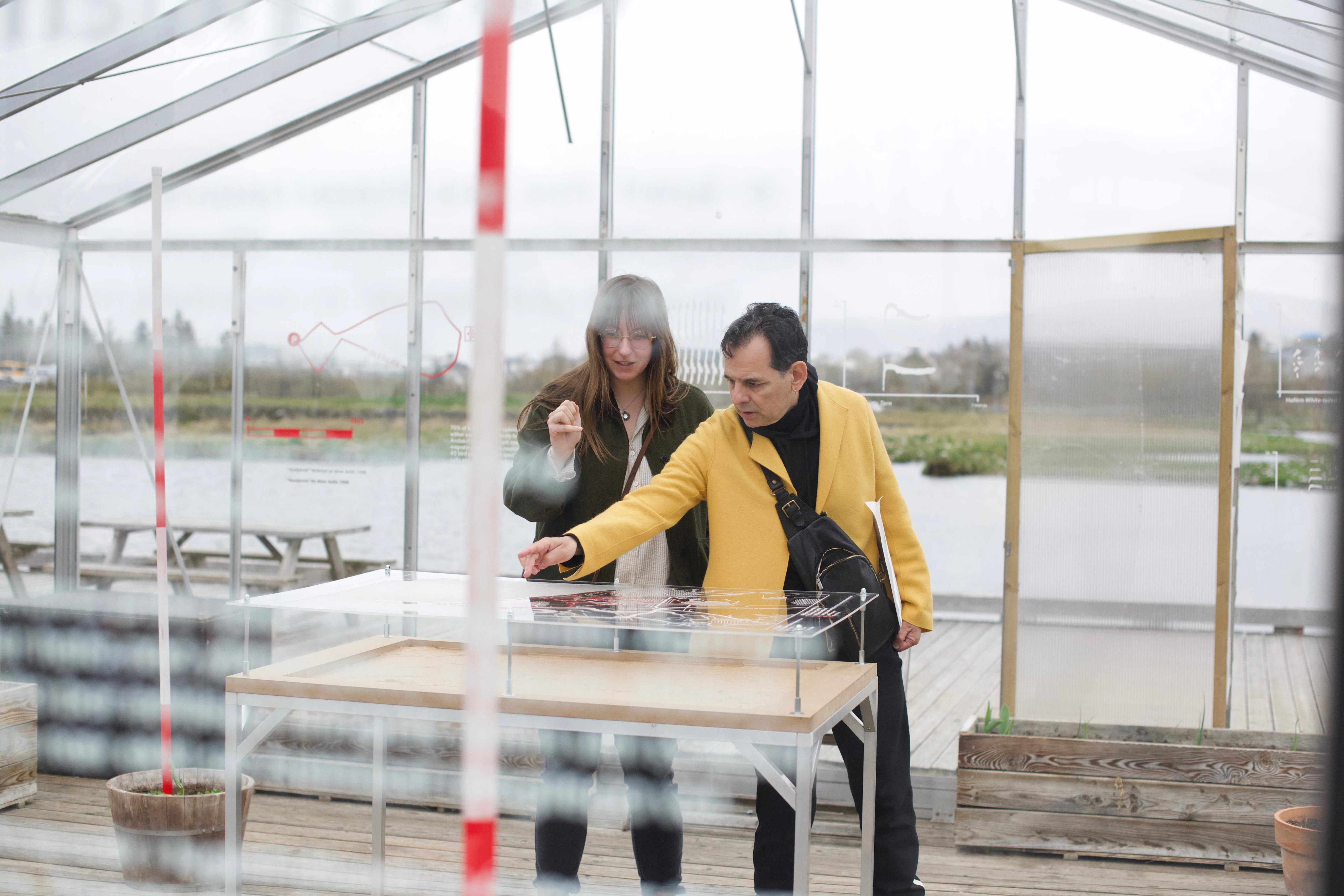
To highlight the importance of the Andakill area, Peatland LIFEline will be working with local stakeholders to design walking paths that both travellers and the local community of Borgarbyggð can use to learn about peatland ecosystems, bird life, and the importance of wetland restoration.
Katla Taylor‘s work is therefore a valuable contribution, and the feasability of her proposition will be investigated by the project consortium when the time comes. We can‘t thank her enough for her enthusiasm about our project!