Peatland LIFEline – Key Communication Messages
Mires and Icelandic Culture
Mires and wetlands as part of Icelanders’ history and identity.
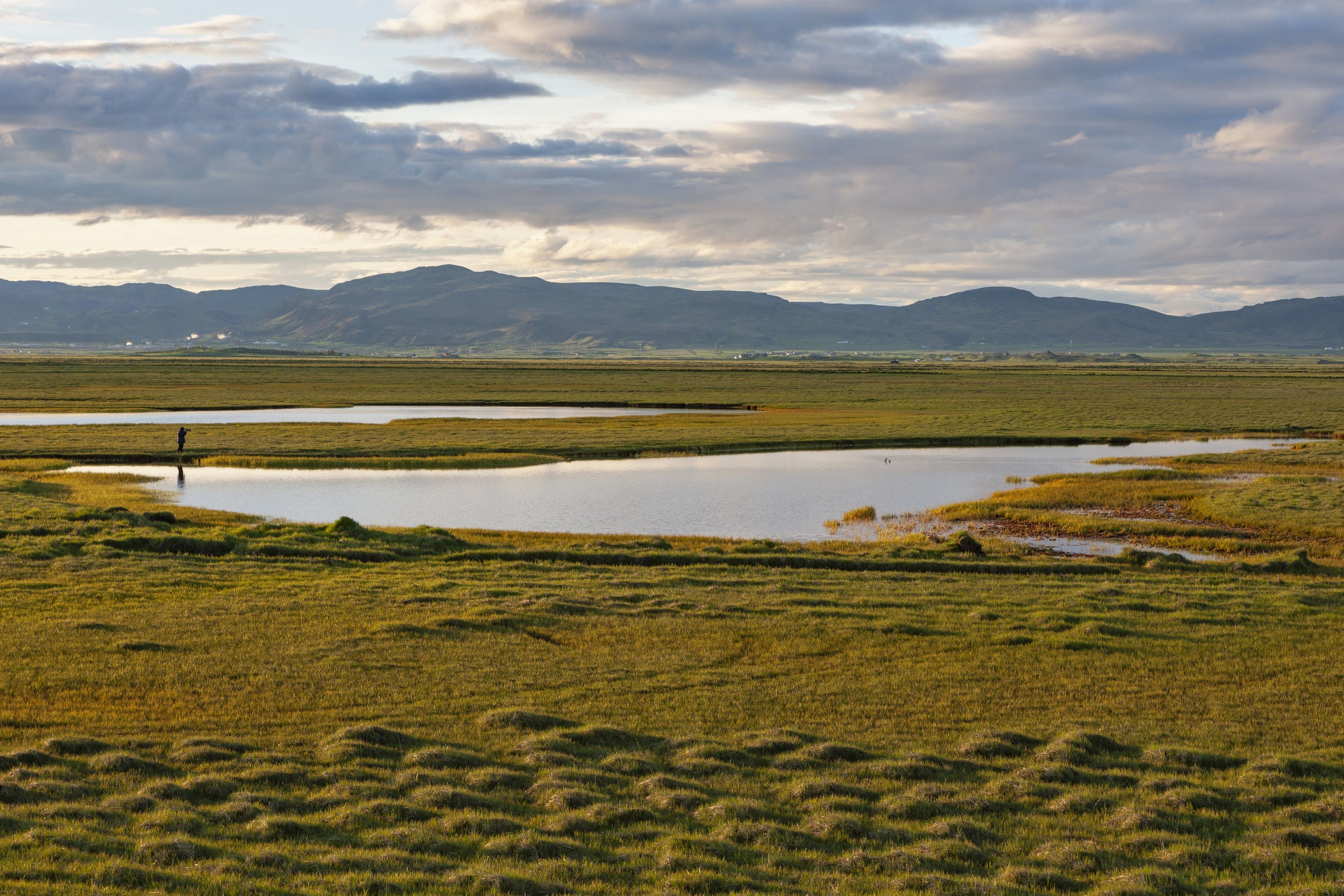
Mires and wetlands have long been a part of the life and culture of Icelanders. They were an important resource, providing turf and peat for fuel, and the land was used for haymaking and grazing. Traces of this can be seen widely in place names and the landscape. Although mires were sometimes considered difficult or dangerous, they are also part of the nation’s cultural memory – turf houses, peat cuttings, meadow haymaking, and the daily life of previous generations. The birdlife of wetlands also has deep cultural significance; the arrival of migratory birds such as the golden plover is still celebrated as a sign that spring has arrived. Today, there is a growing understanding that mires are not only a resource but also part of the country’s cultural identity and natural heritage.
Biodiversity
The uniqueness of Icelandic wetlands and keystone species.
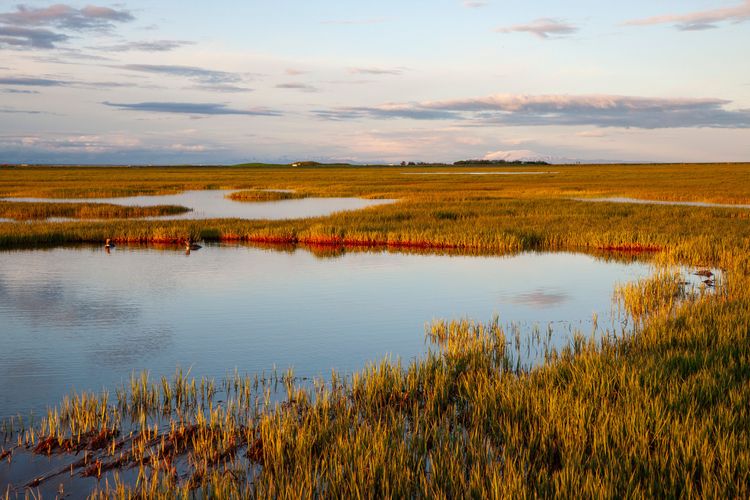
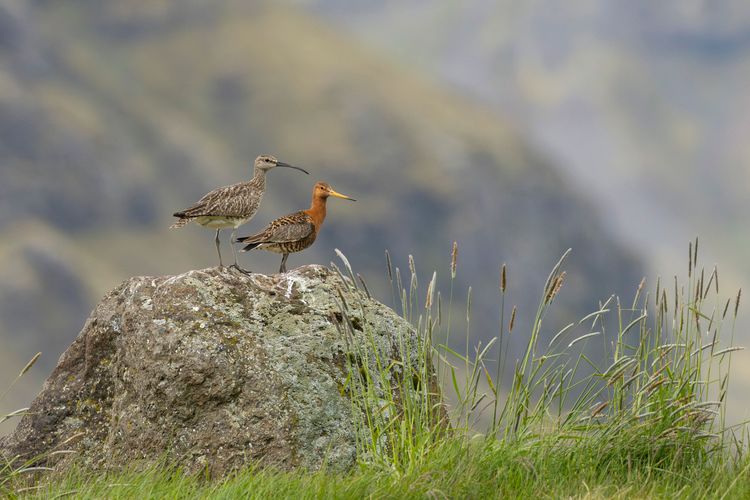
Wetlands are one of Iceland’s most important ecosystems and the foundation of a diverse biosphere. The water shapes the soil, vegetation, and living conditions, creating habitats for numerous species of plants, invertebrates, and birds. Icelandic wetlands are unique, partly due to their volcanic soil and vast areas that have largely disappeared in Europe. Here, specialised species such as sundew and bladderwort can be found, as well as numerous birds that rely on these habitats for nesting and foraging. Iceland therefore has an international responsibility for the protection of certain species and ecosystems that are a key part of biodiversity.
Economic Value
Healthy wetlands as a resource for agriculture, tourism, and society.
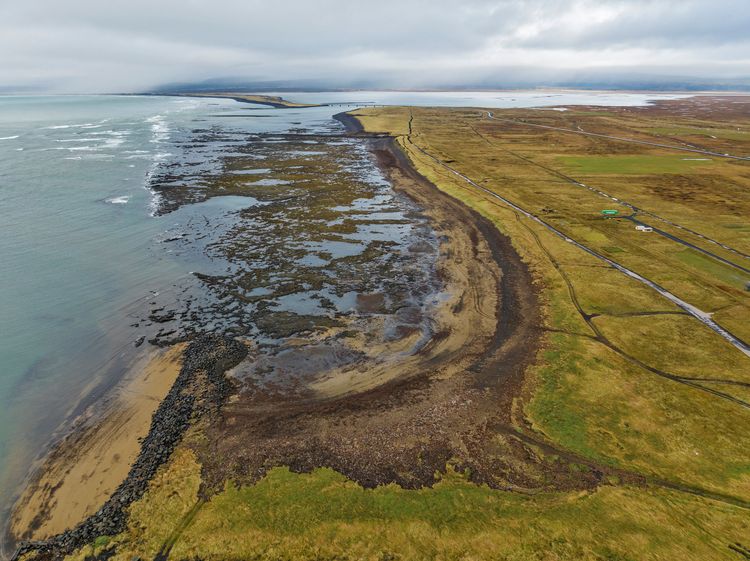
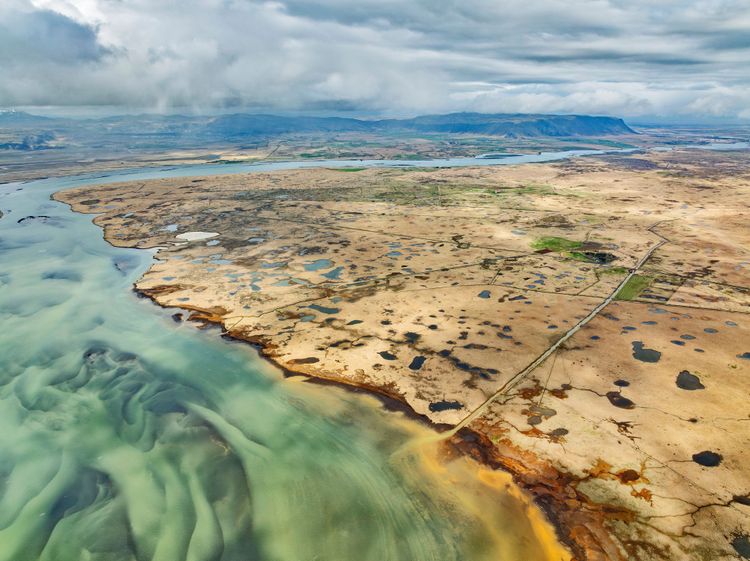
Healthy wetlands create various forms of value for Icelandic society. They improve water management, bind nutrients, and reduce the impact of floods and droughts, which strengthens both agriculture and the ecosystems of lakes and rivers. Wetlands also play an important role in tourism, as pristine wilderness, birdlife, and tranquillity attract nature lovers and birdwatchers. A strong wetland is therefore not just a matter of nature conservation but also an investment in sustainable economic activity and societal well-being.
Climate and Carbon
Wetlands as a key factor in the carbon cycle and climate action.
Mires and wetlands are among the Earth’s most important carbon stores. In water-saturated soil, organic matter accumulates, and carbon can be bound in the ground for hundreds or thousands of years. When wetlands are drained, this carbon is released back into the atmosphere, while restoring wetlands can significantly reduce such emissions. These actions therefore support both climate goals and biodiversity at the same time. Wetland restoration is thus one of the most cost-effective natural climate solutions available.
Iceland’s International Role
Iceland as a connection point for the Boreal, Atlantic, and Arctic regions.
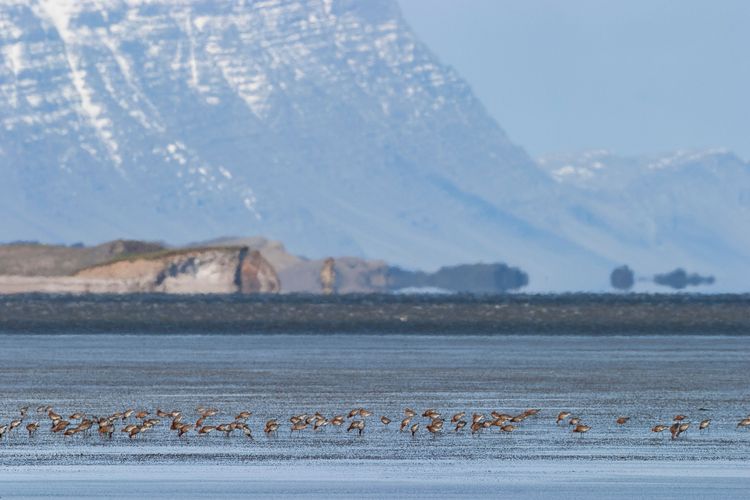
Iceland is an international powerhouse for birds and a vital connection point in the ecosystem of the North Atlantic and the Arctic. Numerous migratory bird species that breed in Iceland spend a large part of the year elsewhere in Europe or Africa, thus connecting the ecosystems of many countries. Iceland has a special responsibility for the habitats of certain species, including in wetlands that are considered internationally important bird areas. Other species, such as the critically endangered European eel, also use these ecosystems. By protecting its wetlands, Iceland can therefore make a significant contribution to international nature conservation and take the lead in the protection of biodiversity.